Sleep the Sleep You Need: A Practical Guide
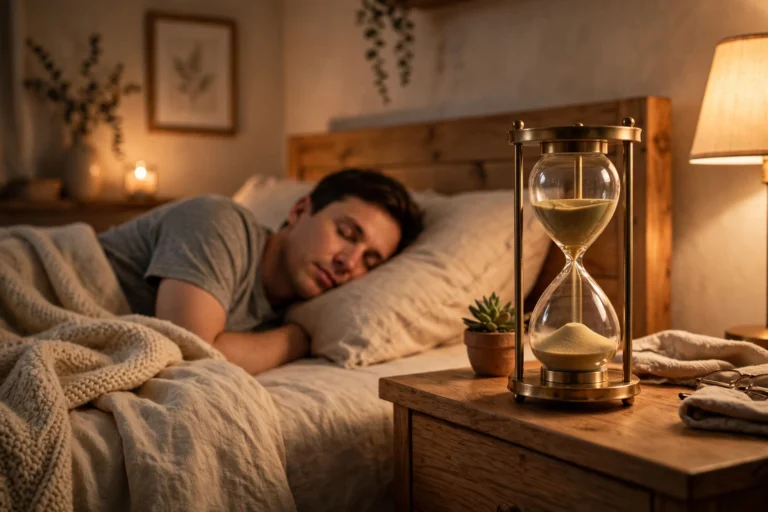
Everyone sleeps. But few people truly sleep the sleep they need. Real rest is not just unconsciousness; it is the right amount, at the right time, in the right conditions, night after night. This guide shows you how to get it.
To sleep the sleep you need means matching your nights to what your biology actually asks for. It is practical, unglamorous, and it works.

Sleep the Sleep: Know Your Number
Start with arithmetic. Most adults need at least seven hours; many do best with eight or nine. Teenagers need eight to ten. Track how you feel for two weeks at different totals and find your number.
Your number is the total that lets you wake without an alarm feeling clear-headed, and stay alert through the afternoon without heroic caffeine. That is sleep the sleep calibrated to you.
Sleep the Sleep: Fix Your Timing
When you sleep matters nearly as much as how long. A regular schedule trains your body clock to release melatonin on time and wake you naturally. Irregular timing fragments even long nights.
Pick a wake time you can keep daily, weekends included, then count backward to set your bedtime. Morning daylight within an hour of waking locks the schedule in place.
Sleep the Sleep: Build the Bedroom
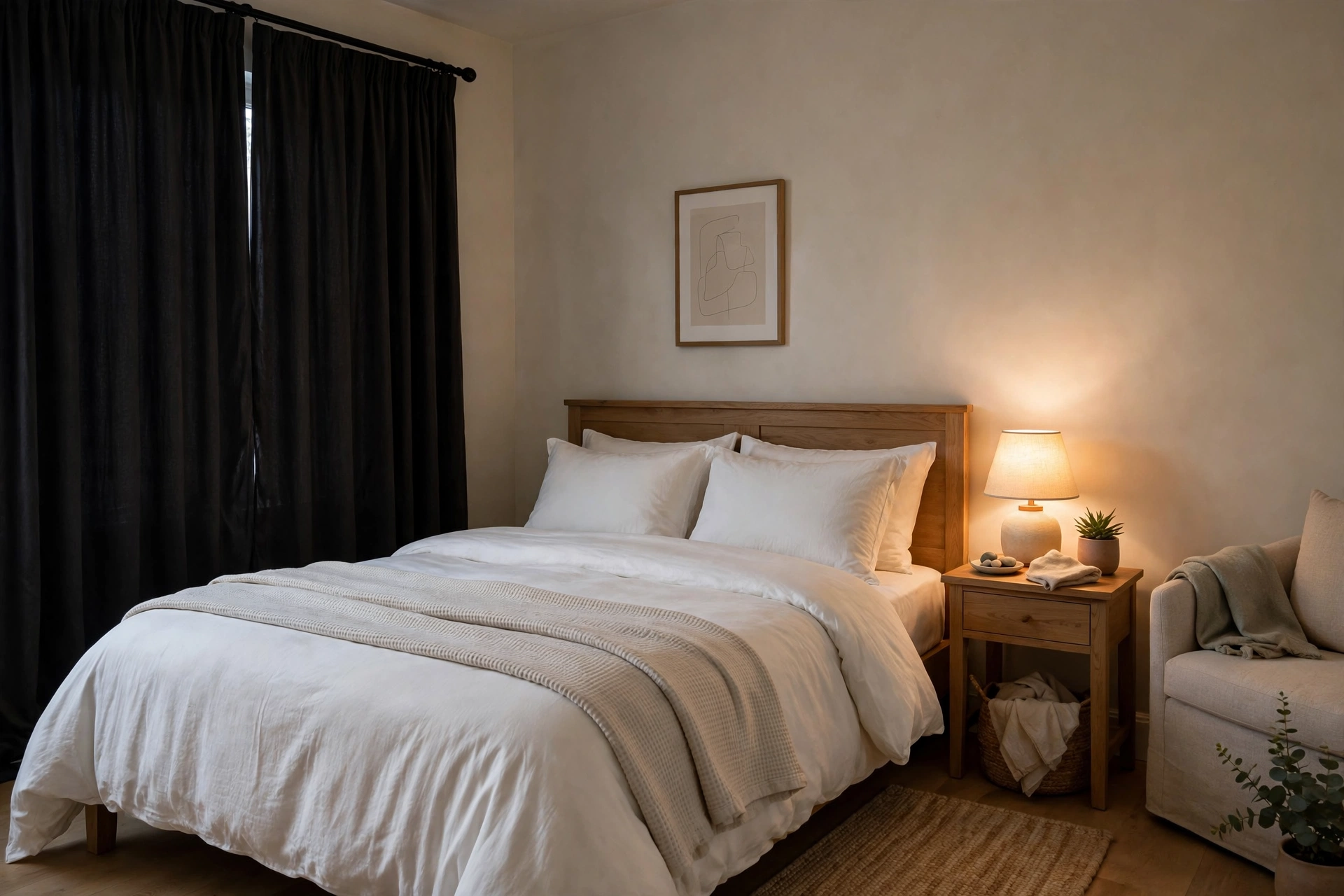
- Dark: blackout curtains or a sleep mask; cover LED lights
- Quiet: earplugs, white noise, or a fan; silence notifications
- Cool: slightly cool rooms promote deeper sleep
- Comfortable: supportive mattress and pillows that suit your sleep position
- Clean: fresh bedding and tidy surroundings reduce restlessness
Sleep the Sleep: Master the Wind-Down
The last hour before bed sets the tone for the whole night. Dim the lights, put demanding work away, and choose something calm: reading, stretching, quiet music, a warm shower.
Repeat the same sequence nightly. Within a week or two, the routine itself becomes a cue: your body starts getting sleepy just from beginning it.
Sleep the Sleep: Eat and Drink for Rest
| Habit | Rule of thumb | Why it matters |
|---|---|---|
| Caffeine | None after early afternoon | Half-life of 5-6 hours fragments sleep |
| Alcohol | Keep away from bedtime | Suppresses REM, fragments second half |
| Heavy meals | Finish 2-3 hours before bed | Reflux and digestion disrupt sleep |
| Fluids | Taper in the evening | Fewer bathroom wake-ups |
Sleep the Sleep: Move in the Daytime
Regular physical activity is one of the most reliable sleep improvers. It deepens sleep, shortens the time to fall asleep, and reduces nighttime waking. Even a daily 30-minute walk counts.
Time it well: finish vigorous exercise a few hours before bed. Morning or afternoon workouts pair beautifully with daylight for double clock-setting benefit.
Sleep the Sleep: Handle the 3 AM Wake
Waking between cycles is normal; panicking about it is what keeps you up. Keep lights off, avoid checking the time obsessively, and do something dull, slow breathing, a boring book, until drowsiness returns.
If your mind races, keep a notepad by the bed. Writing tomorrow’s worries down externalizes them so your brain stops rehearsing them.
Sleep the Sleep: Naps Done Right
- Keep naps to 10-20 minutes for alertness without grogginess
- Nap before mid-afternoon to protect the coming night
- A 90-minute nap completes a full cycle when time allows
- Skip the nap if you fall asleep easily at night already
Sleep the Sleep: When Habits Are Not Enough
Good habits solve most sleep problems. But not all. Loud snoring with gasping, persistent insomnia despite weeks of good habits, restless legs, or overwhelming daytime sleepiness deserve professional evaluation.
Sleep disorders are common and treatable. Seeing a healthcare professional is not admitting defeat; it is the practical next step when the basics are covered.
Conclusion
To sleep the sleep you need, match your nights to your biology: enough hours, steady timing, a calm bedroom, and habits that protect rather than steal rest.
Start with your wake time, add morning light, and build the wind-down one evening at a time. Real rest is a practice, not a purchase. And it pays back every single day.
FAQs
How do I know how much sleep I need?
Experiment: keep a steady schedule for two weeks at different totals and note morning freshness and afternoon alertness. Your number is the total that keeps you clear-headed all day.
What is the most important sleep habit?
A consistent wake time, seven days a week. It anchors your body clock more powerfully than any bedtime rule or gadget.
How can I fall asleep faster?
Wind down for 30-60 minutes, keep the room cool and dark, and get up if you are still awake after 20 minutes: do something calm until drowsy, then return to bed.
Is it bad to use my phone before bed?
Stimulating content keeps the mind engaged, which delays sleep more than the light itself does. Put interactive screens away 30-60 minutes before bed.
Should I exercise in the evening?
Moderate evening exercise is fine for most people, but finish vigorous workouts a few hours before bed if they leave you wired.
What should I do when I wake at 3 AM?
Stay calm, keep lights off, and avoid screens. Slow breathing or dull reading usually brings drowsiness back; a notepad helps park racing thoughts.
When is snoring a medical issue?
Loud nightly snoring with gasping, choking, or pauses, plus daytime sleepiness or morning headaches, warrants evaluation for sleep apnea.
Related reading: Sleep: How to Sleep Faster Better | Into Deep Sleep | You Just Sleep Instantly?
Related Articles

Ryan Foster is a curious and dedicated professional with an interest in digital content, lifestyle, and online research. He enjoys exploring useful ideas, learning about new topics, and sharing practical information with others. Ryan values continuous learning, creativity, and building meaningful connections through the digital world.