What Puts You to Sleep? Sounds, Habits and Routines That Work
You to sleep: what actually puts you to sleep at night? For some people it is a quiet room and a good book. For others it is rain sounds, a warm shower, or simply the same bedtime every evening. Falling asleep is not just about feeling tired; it is about giving your brain the right signals.
Everyone has something that lulls them to sleep, even if they have never thought about it. Understanding what puts you to sleep, and why it works, can turn restless nights into a reliable routine.
You to Sleep: What Does “Put You to Sleep” Mean?
When something puts you to sleep, it helps your brain shift from alert wakefulness into sleep. This transition does not happen instantly. Your body needs to lower its core temperature, slow your heart rate, and quiet the mental chatter of the day.
Sleep researchers call the build-up of sleepiness “sleep pressure.” It grows the longer you are awake. But pressure alone is not always enough: your brain also looks for permission: darkness, quiet, comfort, and familiar cues that say it is safe to let go.
You to Sleep: The Power of Routine
A consistent bedtime routine is one of the strongest sleep aids that exists. When you repeat the same calming steps each night, your brain begins to associate them with sleep, and drowsiness arrives almost automatically.
A good routine does not need to be complicated. Dimming the lights, changing into sleep clothes, and spending twenty quiet minutes reading or stretching can be enough. The key is repetition, not perfection.
You to Sleep: Sounds That Lull You
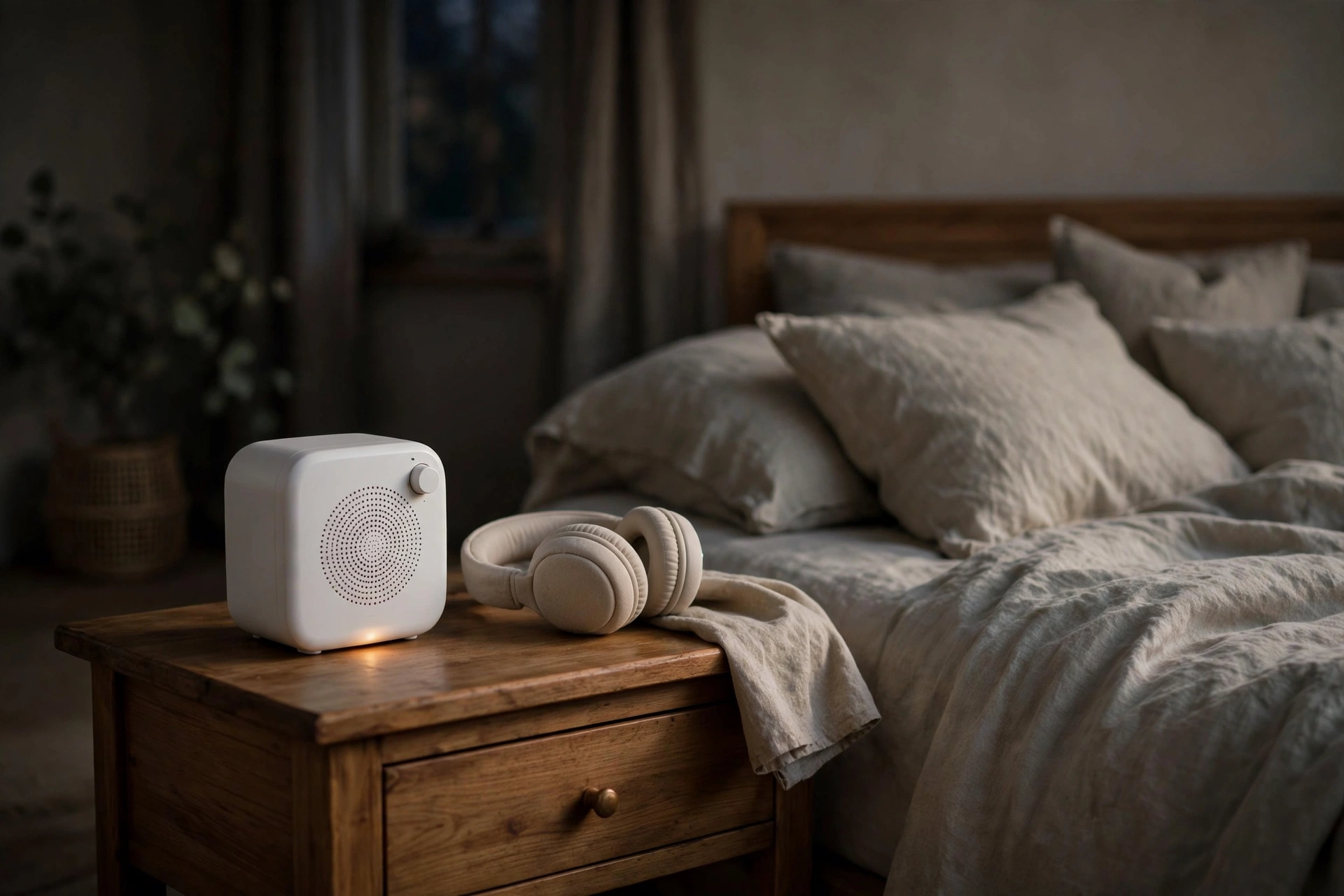
Sound affects sleep in surprising ways. Steady, predictable sounds can mask sudden noises that would otherwise wake you, which is why so many people sleep better with background sound.
- White noise: a steady hiss that covers up traffic, voices, and creaks
- Rain sounds: gentle, rhythmic, and naturally calming for many people
- Soft music: slow tempos around 60 beats per minute can slow your heart rate
- Fan hum: the classic low-tech sleep sound, steady and familiar
What matters is consistency and low volume. The sound should fade into the background, not demand your attention.
You to Sleep: Warmth and the Bath Effect
A warm shower or bath one to two hours before bed is a proven way to invite sleepiness. Warm water raises your body temperature slightly, and the drop afterward mimics the natural cooling your body does as it prepares for sleep.
This temperature drop is a powerful sleep signal. Pair it with a cool bedroom, and you give your body the exact conditions it uses to fall asleep naturally every night.
You to Sleep: What Keeps You Awake Instead
| Sleep killer | Why it keeps you up | Better choice |
|---|---|---|
| Bright screens | Light delays melatonin release | Dim lights, no screens 30 min before bed |
| Late caffeine | Blocks sleep pressure for hours | Last coffee before early afternoon |
| Heavy meals | Digestion keeps the body active | Light snack if hungry |
| Stress and worry | Racing thoughts keep the brain alert | Write worries down earlier in the evening |
| Irregular bedtime | Confuses the body clock | Same bedtime daily, weekends included |
| Alcohol | Sedates then fragments sleep | Avoid as a sleep aid |
You to Sleep: Reading Before Bed
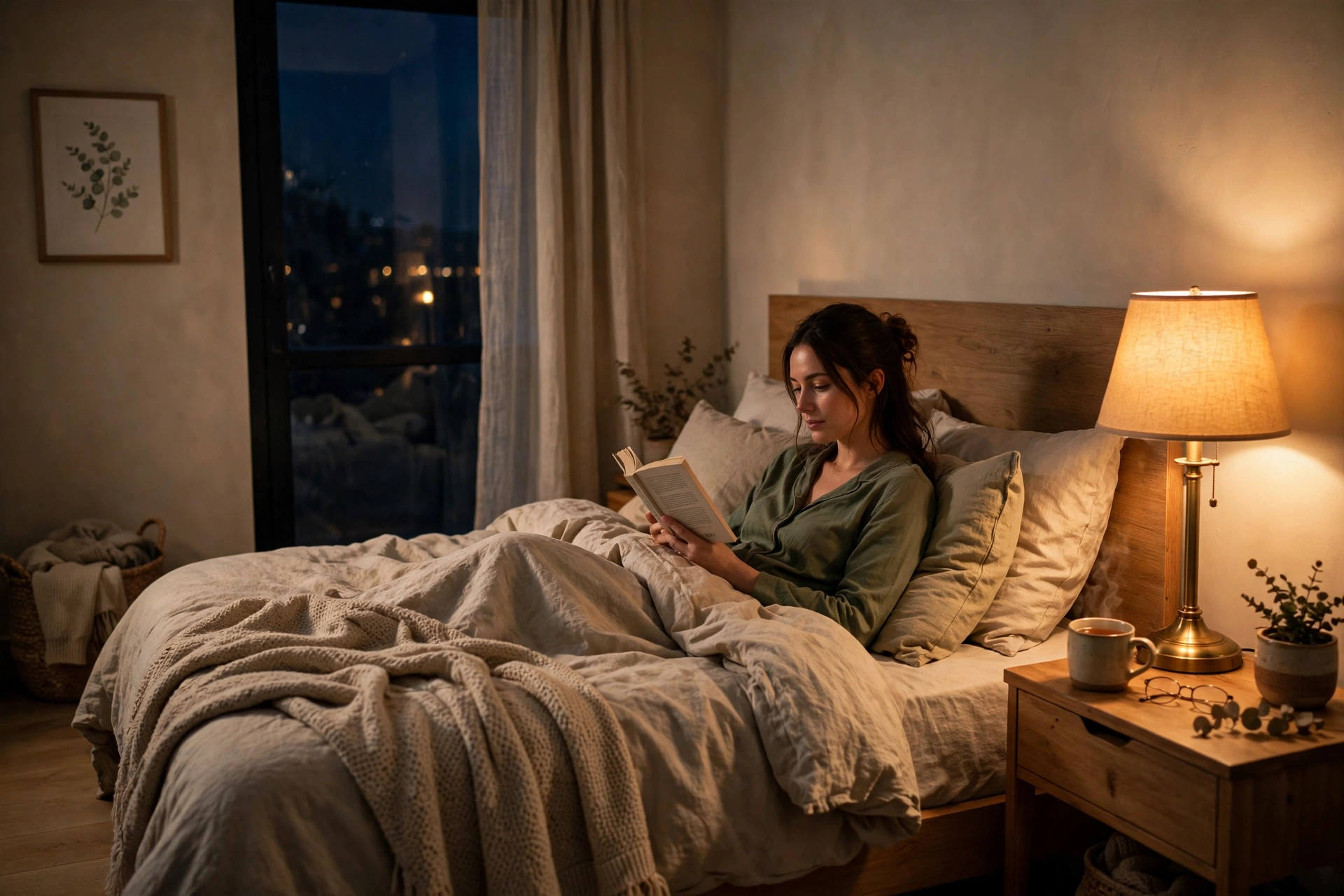
Reading is one of the most popular pre-sleep habits in the world, and for good reason. A physical book gives your eyes something calm to follow, occupies a busy mind, and carries none of the bright light of a screen.
Choose something enjoyable but not too thrilling. The goal is gentle engagement that fades as drowsiness grows, not a page-turner that keeps you up until 2 AM.
You to Sleep: Breathing and Relaxation
Slow breathing directly calms the nervous system. Techniques like breathing in for four counts and out for six counts signal safety to your body and can ease the transition into sleep.
Progressive muscle relaxation works similarly: tense each muscle group for a few seconds, then release. The contrast teaches your body what deep relaxation feels like, making it easier to reach on demand.
You to Sleep: The Role of Darkness
Light is the most powerful signal for your body clock. Even small amounts of light in the evening can delay sleepiness, while morning light anchors your rhythm for the whole day.
Make your bedroom as dark as reasonably possible. Blackout curtains or a comfortable sleep mask can make a noticeable difference, especially if streetlights or early sunrises intrude.
You to Sleep: Comfort Matters
It is hard to fall asleep when you are uncomfortable. Your mattress, pillow, blanket weight, and room temperature all feed into your brain’s safety check before sleep.
Most people sleep best in a cool room, around 18-20°C, with bedding that breathes. If you regularly wake up too hot or too cold, adjusting your sleep environment is one of the highest-impact changes you can make.
You to Sleep: A Sample Wind-Down Routine
| Time before bed | What to do |
|---|---|
| 90 minutes | Warm shower or bath; finish any intense activity |
| 60 minutes | Dim the lights; put work away |
| 30 minutes | Screens off; read, stretch, or listen to calm audio |
| 10 minutes | Slow breathing; get into bed when sleepy |
Conclusion
What puts you to sleep is personal, but the science behind it is universal: consistent cues, a cool dark room, a calm mind, and a body that has wound down. Build these into a nightly routine and falling asleep becomes something that happens to you, not something you chase.
Experiment for two weeks and notice what works. If sleeplessness persists despite good habits, or comes with loud snoring, gasping, or overwhelming daytime tiredness, discuss it with a healthcare professional.
FAQs
What is the fastest way to put yourself to sleep?
There is no instant trick, but the fastest reliable path is a consistent wind-down: dim lights, no screens, slow breathing, and a cool dark bedroom. Most people fall asleep within 15-20 minutes this way.
Does music really help you fall asleep?
Slow, calm music can help by slowing heart rate and distracting from worried thoughts. Keep the volume low and choose steady tracks without sudden changes.
Why does reading make me sleepy?
Reading gives your mind gentle focus while your body stays still, and the repetitive eye movement is tiring. A physical book avoids the alerting light of screens.
Is white noise bad for sleep?
At low volumes, white noise is generally safe and helps many people by masking disruptive sounds. Keep it as quiet as effective and not directly against your ears.
Why can’t I fall asleep even when tired?
Common reasons include late caffeine, bright light, stress, irregular schedules, or an uncomfortable bedroom. Overtiredness itself can also make the brain hyper-alert.
Does a warm bath before bed really work?
Yes. Warm water raises body temperature, and the cooling afterward mimics your body’s natural pre-sleep temperature drop: a strong drowsiness signal.
What should I do if I can’t sleep after 30 minutes?
Get up, go to another dim room, and do something calm until sleepy. Lying awake in bed trains your brain to associate bed with wakefulness.
Related reading: Into Deep Sleep: How to Get Deeper | Sleep: How to Sleep Faster Better | Sleep to Sleep: How to Sleep Better and Wake
Related Articles

Ryan Foster is a curious and dedicated professional with an interest in digital content, lifestyle, and online research. He enjoys exploring useful ideas, learning about new topics, and sharing practical information with others. Ryan values continuous learning, creativity, and building meaningful connections through the digital world.





5 Comments