
Sleep to Sleep How to Sleep Better and Wake Up Rested
Sleep to sleep can describe the goal of moving naturally from bedtime into continuous, restorative sleep and staying asleep until morning. Good sleep is not only about spending enough hours in bed; sleep quality also depends on continuity, regular timing, and how refreshed you feel after waking.
If you frequently wake during the night, struggle to fall back asleep, or wake up tired despite spending enough time in bed, improving your sleep routine can help. A consistent schedule, morning light, daytime activity, a comfortable bedroom, and limiting caffeine and alcohol around bedtime can create better conditions for uninterrupted sleep.

What Does Sleep to Sleep Mean?
The phrase sleep to sleep is not a formal medical sleep stage or diagnosis. In everyday use, it can describe sleeping continuously from bedtime through the night or having a smooth transition into and through normal sleep cycles.
Healthy sleep consists of repeating NREM and REM stages rather than remaining in one sleep state all night. Good sleep continuity allows the body and brain to move through these stages with fewer disruptive awakenings.
Why Is Sleep to Sleep Important?
Continuous sleep gives the body an opportunity to complete normal sleep cycles. Sleep supports physical restoration, brain function, memory, mood, attention, and other aspects of health.
Sleep continuity is particularly important because simply spending a long time in bed does not necessarily mean you received high-quality sleep. Frequent awakenings can reduce the restorative quality of the overall sleep period.
Sleep Duration vs. Sleep Quality
Sleep duration measures how long you sleep, while sleep quality considers whether that sleep is sufficiently continuous and refreshing.
For most adults ages 18–60, the CDC recommends 7 or more hours of sleep per night. Adults ages 61–64 generally need 7–9 hours, while adults 65 and older generally need 7–8 hours.
How to Sleep Through the Night
Improving your sleep-to-sleep routine starts with making your body’s sleep-wake rhythm more predictable.
Keep the Same Bedtime and Wake Time
Going to bed and getting up at approximately the same time every day can help establish a consistent sleep schedule. This includes weekends, when large changes in timing can make your sleep routine less predictable.
Choose a bedtime that gives you enough opportunity to obtain the amount of sleep appropriate for your age. Consistency is generally more useful than trying to compensate for an irregular schedule by sleeping much later on some days.
Get Natural Light During the Day
Daytime light, particularly earlier in the day, helps reinforce the body’s circadian rhythm. A morning walk or spending time outdoors can provide natural light while also adding physical activity to your routine.
At night, reducing bright artificial light can help create a stronger distinction between daytime alertness and your bedtime environment.
Exercise During the Day
Regular physical activity can support healthy sleep. Walking, cycling, swimming, strength training, and other forms of exercise can become part of a consistent daytime routine.
CDC guidance recommends physical activity during the day and suggests avoiding exercise within a few hours of bedtime if it interferes with sleep.
Create a Comfortable Bedroom
A bedroom that is cool, dark, quiet, and comfortable can make uninterrupted sleep easier. Noise, excessive light, heat, uncomfortable bedding, phones, and other distractions may interfere with sleep continuity.
Consider blackout curtains, comfortable bedding, appropriate room temperature, and reducing unnecessary notifications or electronic distractions.
What Can Interrupt Sleep to Sleep?
Nighttime awakenings can have many causes. Some are environmental or behavioral, while others may involve medical or sleep-related conditions.
Common sleep disruptors include:
- Noise or bright light
- An uncomfortable room temperature
- Stress or anxiety
- Caffeine
- Alcohol
- Late meals
- Pain or discomfort
- Nighttime bathroom trips
- Snoring or movement from a bed partner
- Sleep apnea
- Restless legs syndrome
- Irregular sleep timing
Sleep Foundation notes that sleep disorders, pain, caregiving responsibilities, environmental factors, nighttime bathroom trips, and bed-partner disturbances can all interfere with sleep continuity.
Stress and an Active Mind
Stress can make it difficult to transition from wakefulness into sleep. Worrying about work, finances, relationships, or tomorrow’s responsibilities may keep the mind active when the body is ready for rest.
A predictable wind-down routine can create a clearer transition into bedtime. Reading, gentle relaxation exercises, quiet music, or another calming activity may help establish that routine.
Caffeine and Stimulants
Caffeine can interfere with sleep, particularly when consumed later in the day. Coffee is not the only source; tea, energy drinks, cola, chocolate, and some medications or supplements may contain caffeine.
If you have trouble staying asleep, tracking when you consume caffeine can help identify whether timing is contributing to your sleep problems.
Alcohol Before Bed
Alcohol should not be treated as a reliable sleep aid. It may make some people feel sleepy initially but can interfere with normal sleep quality and continuity. CDC guidance recommends avoiding alcohol before bedtime.
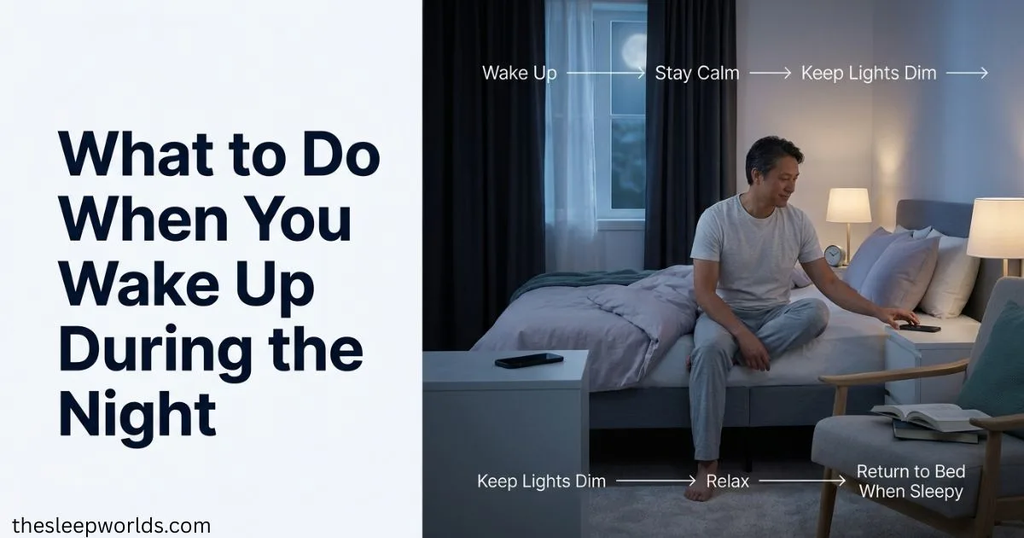
What to Do When You Wake Up During the Night
Waking briefly during the night can happen naturally. The problem is more significant when awakenings become frequent or you remain awake for long periods.
If you wake up:
- Keep the room dark and quiet.
- Avoid immediately checking your phone.
- Try a calm breathing or relaxation technique.
- Avoid watching the clock repeatedly.
- Give yourself an opportunity to return to sleep naturally.
If nighttime awakenings happen regularly and affect daytime functioning, the underlying cause may need further evaluation.
Sleep to Sleep and Deep Sleep
Deep sleep is only one component of healthy sleep. During a normal night, the brain cycles through different NREM and REM stages.
The first part of the night generally contains more deep NREM sleep, while REM periods become longer later in the night. Therefore, trying to maximize one particular sleep stage is less useful than supporting healthy sleep as a whole.
Adequate sleep duration, regular timing, and good sleep continuity should remain the primary goals.
Can You Sleep 8 Hours Without Waking Up?
Not necessarily. Brief awakenings can occur naturally during the night, and some may be so short that you do not remember them the next morning.
Healthy sleep does not require being completely unconscious for eight consecutive hours. Instead, the goal is sufficient, restorative sleep with minimal disruptive awakenings.
Sleep continuity refers to the ability to initiate and maintain sleep and is considered an important dimension of overall sleep health.
How to Build a Sleep-to-Sleep Routine
A simple daily routine can support more consistent nighttime sleep.
| Part of Day | Helpful Habit |
| Morning | Wake at a consistent time |
| Morning | Get natural daylight |
| Daytime | Stay physically active |
| Afternoon | Limit late caffeine |
| Evening | Reduce stimulating activities |
| Before Bed | Follow a relaxing routine |
| Bedtime | Keep the room cool, dark, and quiet |
| Overnight | Minimize unnecessary disruptions |
The objective is not to force yourself to sleep. Instead, these habits create conditions that allow normal sleep processes to work more consistently.
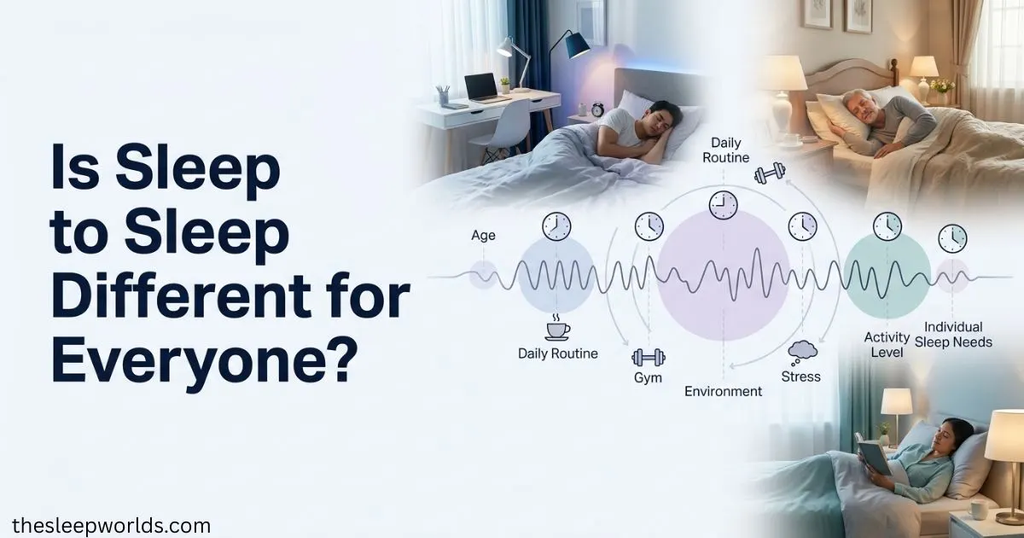
Is Sleep to Sleep Different for Everyone?
Yes. Sleep needs vary according to age and individual circumstances. Children and teenagers generally need more sleep than adults, while older adults often experience changes in sleep architecture and nighttime awakenings.
Individual sleep patterns can also be influenced by work schedules, travel, lifestyle, medications, health conditions, stress, and the sleep environment.
For this reason, there is no single bedtime routine that works identically for everyone.
When Should You Be Concerned About Poor Sleep?
Occasional poor sleep is common. However, persistent sleep difficulties deserve attention, especially when they interfere with daytime activities.
Talk with a healthcare professional if you regularly:
- Have difficulty falling or staying asleep
- Wake up repeatedly during the night
- Feel excessively sleepy during the day
- Wake up unrefreshed despite sufficient time in bed
- Snore loudly
- Wake up gasping or choking
- Experience persistent sleep disruption
Sleep problems can sometimes be associated with conditions such as sleep apnea, restless legs syndrome, insomnia, or other health issues.
Sleep to Sleep: A Simple Nightly Checklist
Before bed, ask yourself:
- Did I get enough physical activity today?
- Did I keep my sleep schedule consistent?
- Did I avoid excessive caffeine late in the day?
- Is my bedroom dark and quiet?
- Is the temperature comfortable?
- Did I give myself enough time for sleep?
- Have I created a relaxing transition into bedtime?
- Am I avoiding unnecessary phone use in bed?
These simple checks can help identify habits that may be interfering with sleep continuity.
Conclusion
Sleep to sleep is best understood as the goal of achieving sufficient, continuous, and restorative nighttime sleep rather than simply staying in bed for a certain number of hours. Healthy sleep depends on both sleep quantity and sleep quality, including the ability to move through normal sleep cycles without excessive disruption.
To improve your sleep-to-sleep routine, maintain a consistent bedtime and wake time, get natural light during the day, exercise regularly, reduce caffeine and alcohol near bedtime, and keep your bedroom cool, dark, quiet, and comfortable. Most adults need at least seven hours of sleep each night.
If you consistently struggle to stay asleep or wake up tired despite giving yourself enough time to sleep, don’t focus only on sleep hacks. Persistent sleep disruption can sometimes indicate an underlying sleep or health condition, making professional evaluation an important next step.
FAQs
What does sleep to sleep mean?
Sleep to sleep generally refers to getting continuous or uninterrupted sleep from bedtime through the night. It is not an official medical sleep stage or diagnosis.
How can I sleep through the night?
Maintain a consistent sleep schedule, get daytime light, exercise regularly, create a relaxing bedtime routine, and keep your bedroom cool, dark, quiet, and comfortable.
Why do I keep waking up at night?
Possible causes include stress, an uncomfortable sleep environment, caffeine, alcohol, pain, nighttime bathroom trips, irregular sleep schedules, and sleep disorders such as sleep apnea.
How many hours should adults sleep?
Adults ages 18–60 generally need 7 or more hours per night. Adults ages 61–64 generally need 7–9 hours, while adults 65 and older generally need 7–8 hours.
Is waking up once during the night normal?
Brief awakenings can occur naturally during sleep. They become more concerning when they are frequent, prolonged, or leave you consistently tired during the day.
Does using your phone before bed affect sleep?
Electronic devices and bright light close to bedtime can make healthy sleep routines more difficult for some people. CDC guidance recommends turning off electronic devices at least 30 minutes before bedtime.
Does exercise help you sleep better?
Regular daytime physical activity can support healthy sleep. If exercise close to bedtime makes you more alert, finish it several hours before going to sleep.
What is sleep continuity?
Sleep continuity describes the ability to fall asleep and remain asleep. Frequent awakenings and prolonged periods awake during the night can reduce sleep continuity.
Why do I sleep enough but still feel tired?
Poor sleep quality, frequent awakenings, irregular sleep timing, medications, lifestyle factors, or an underlying sleep disorder can contribute to feeling tired despite spending enough time in bed.
When should I see a doctor about sleep problems?
If sleep difficulties are persistent, interfere with daytime functioning, or occur with symptoms such as loud snoring, gasping, choking, or excessive daytime sleepiness, discuss them with a healthcare professional.
Related Articles

Ryan Foster is a curious and dedicated professional with an interest in digital content, lifestyle, and online research. He enjoys exploring useful ideas, learning about new topics, and sharing practical information with others. Ryan values continuous learning, creativity, and building meaningful connections through the digital world.