D Sleep Meaning: A Simple Guide to Deep Sleep
D sleep: if you have typed this into a search box, you almost certainly meant “deep sleep.” It is one of the most common sleep abbreviations, and it points to the most restorative part of the night: the deep, slow-wave stage where your body does its heaviest repair work.
Deep sleep has a quiet reputation. You cannot feel it happening, trackers estimate it roughly, and most people have no idea how much they get. Yet it shapes how restored you feel every morning. Here is the complete guide.

D Sleep: What It Stands For
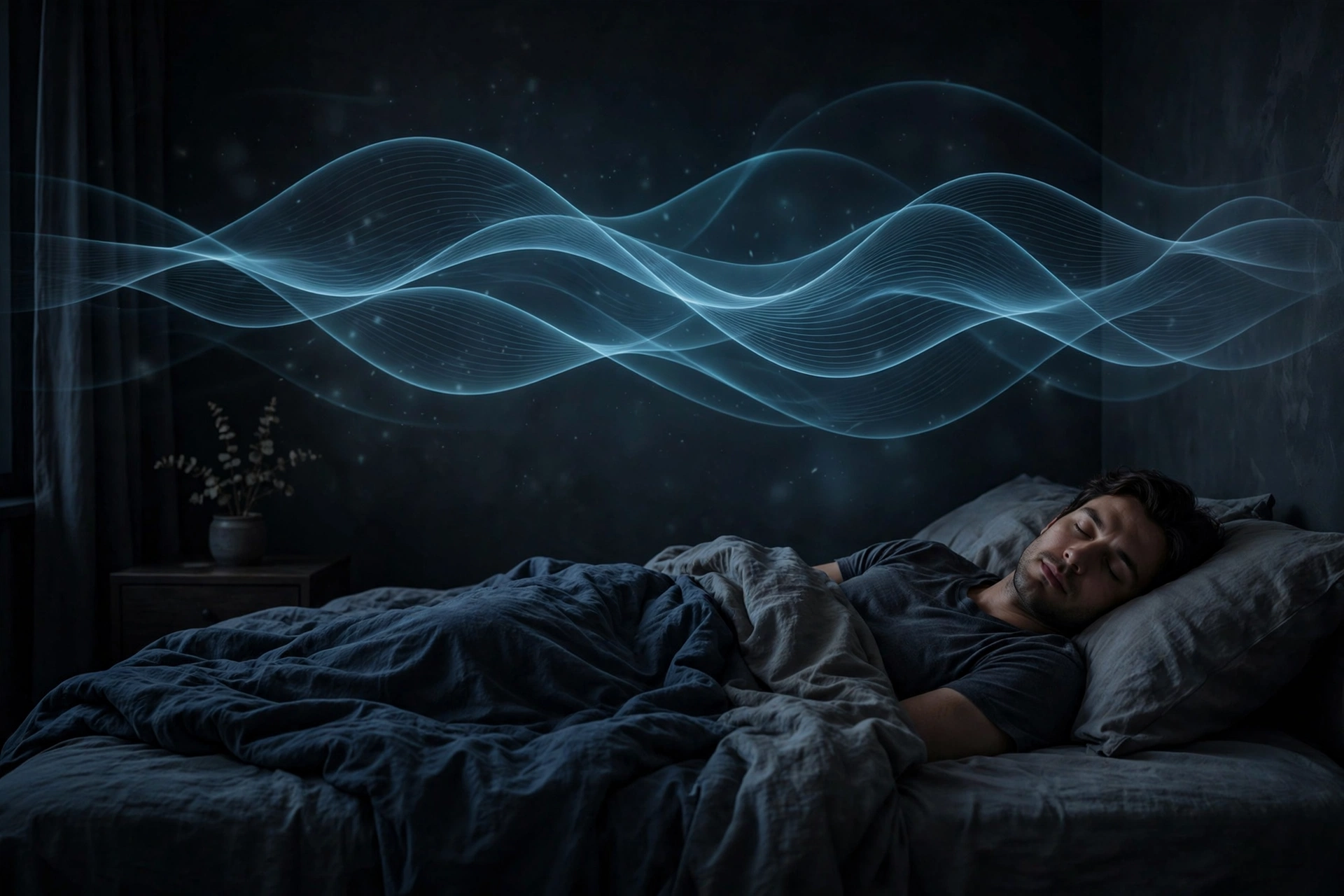
D sleep is shorthand for deep sleep, the third stage of non-REM sleep (NREM Stage 3). Scientists also call it slow-wave sleep because the brain produces slow, high-amplitude waves during it.
It is the hardest stage to wake from. If someone shakes you awake during deep sleep, you will likely feel groggy and confused for several minutes: a state called sleep inertia.
D Sleep: Why Deep Sleep Matters
Deep sleep is when the body does its most important physical maintenance. Growth hormone is released, tissues are repaired, the immune system is strengthened, and the brain flushes out metabolic waste through the glymphatic system.
It also matters for the mind. Deep sleep helps consolidate factual memories and reset the brain’s ability to learn new things the next day. Shortchange it, and both body and brain feel the difference.
D Sleep: When It Happens at Night
Deep sleep is front-loaded: most of it happens in the first half of the night, during the first two or three sleep cycles. As morning approaches, deep sleep fades and lighter sleep plus REM dreaming take over.
This timing is why going to bed very late is so costly. A 3 AM bedtime does not just shorten sleep: it specifically cuts into the deep-sleep-rich early hours that cannot be recovered later.
D Sleep: How Much Do You Need?
| Age | Typical deep sleep share | What it means |
|---|---|---|
| Children | High (up to ~25%) | Growing bodies need maximum restoration |
| Young adults | Moderate (~15-20%) | Healthy baseline for repair |
| Older adults | Lower (~5-10%) | Normal age-related decline |
There is no universal minute-target. What matters is getting enough total, continuous sleep: your brain allocates deep sleep automatically when given the chance.
D Sleep: What Reduces Deep Sleep
- Alcohol: sedates you but suppresses deep sleep later in the night
- Caffeine late in the day: fragments sleep architecture
- Sleep deprivation itself: paradoxically, very short sleep is too broken for quality deep sleep
- Loud noise and light: cause micro-awakenings that pull you out of deep stages
- Irregular schedules: confuse the timing of deep-sleep-rich early cycles
- Some medications: certain drugs suppress slow-wave sleep
D Sleep: How to Get More Naturally
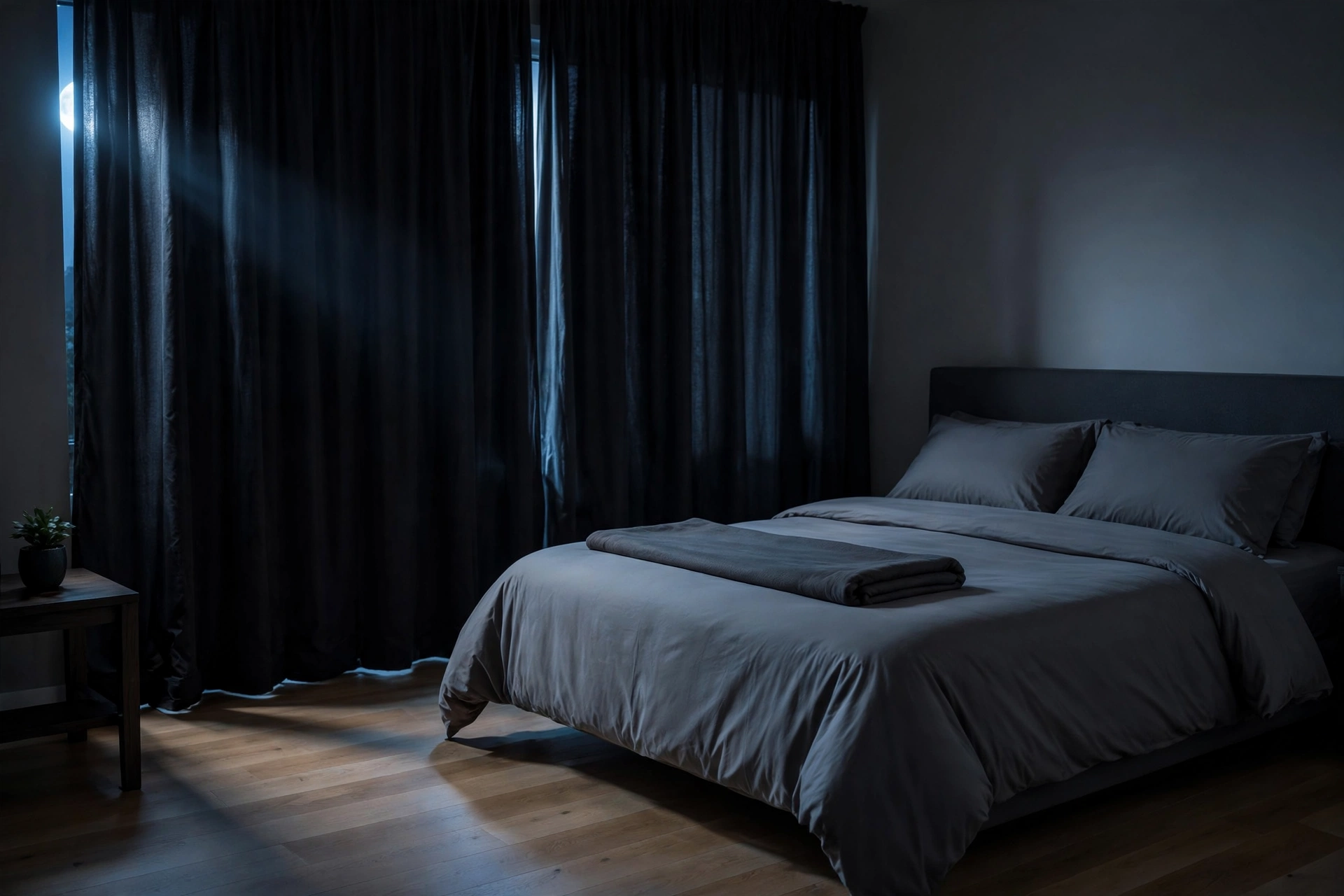
You cannot force your brain into deep sleep on command, but you can create the conditions it needs. The recipe is unglamorous: enough total sleep, a consistent schedule, daytime exercise, and a cool, dark, quiet bedroom.
Exercise deserves special mention: regular physical activity is one of the most reliable deep-sleep boosters in sleep research. Even a daily brisk walk makes a measurable difference over weeks.
D Sleep: Temperature Trick
Deep sleep is closely tied to body temperature. Your core temperature must drop for deep sleep to begin, which is why a warm bath 1-2 hours before bed helps: the post-bath cooling mimics the natural drop.
A cool bedroom (around 18-20°C) supports the same process all night. Overheated rooms are one of the most common, and most fixable, deep-sleep killers.
D Sleep: Can Trackers Measure It?
Wearables estimate deep sleep from movement and heart rate, but they are guessing. Only clinical sleep studies measuring brain waves can truly identify deep sleep stages.
Use tracker trends loosely: improving consistency and total sleep matters far more than chasing a specific deep-sleep number on an app.
D Sleep: Deep Sleep vs. REM Sleep
Deep sleep and REM sleep are partners, not rivals. Deep sleep handles physical restoration and memory filing; REM handles emotional processing and creative connections. Healthy sleep needs both in their natural rhythm.
Cutting sleep short usually sacrifices REM (which dominates late sleep), while fragmented early sleep sacrifices deep sleep. Protect the whole night and you protect both.
Conclusion
D sleep, deep sleep, is the quiet engine of restoration: the stage where your body repairs, your brain cleans house, and your memories get filed. You cannot buy it or force it, but you can earn it with consistent, sufficient, quality sleep.
Focus on the foundations, regular timing, enough hours, exercise, and a cool dark room, and deep sleep takes care of itself. If you snore loudly, gasp, or never feel restored despite good habits, discuss it with a healthcare professional.
FAQs
What does “d sleep” mean?
It is shorthand for “deep sleep”: NREM Stage 3, also called slow-wave sleep. It is the deepest, most physically restorative sleep stage.
How much deep sleep do I need per night?
There is no universal target; it varies by age and individual. Focus on 7-9 hours of total consistent sleep rather than a specific deep-sleep number.
What happens during deep sleep?
The brain produces slow waves while the body releases growth hormone, repairs tissue, strengthens immunity, and flushes metabolic waste from the brain.
Why do I get less deep sleep as I age?
Deep sleep naturally declines with age: it is a normal change, not a disease. Good habits still maximize whatever deep sleep your age allows.
Does alcohol increase deep sleep?
No. Alcohol may make you fall asleep faster but it suppresses deep and REM sleep later in the night, leaving sleep less restorative overall.
Can exercise increase deep sleep?
Yes. Regular physical activity is one of the best-supported ways to increase deep sleep naturally. Aim for consistent moderate activity most days.
How can I tell if I’m getting enough deep sleep?
Waking refreshed and functioning well during the day is the best sign. Wearable estimates are rough guides only: do not chase their numbers anxiously.
Related reading: Into Deep Sleep: How to Get Deeper | Why Do We Sleep? The Science Behind Sleep | Sleep and Dream: How Sleep Works
Related Articles

Ryan Foster is a curious and dedicated professional with an interest in digital content, lifestyle, and online research. He enjoys exploring useful ideas, learning about new topics, and sharing practical information with others. Ryan values continuous learning, creativity, and building meaningful connections through the digital world.