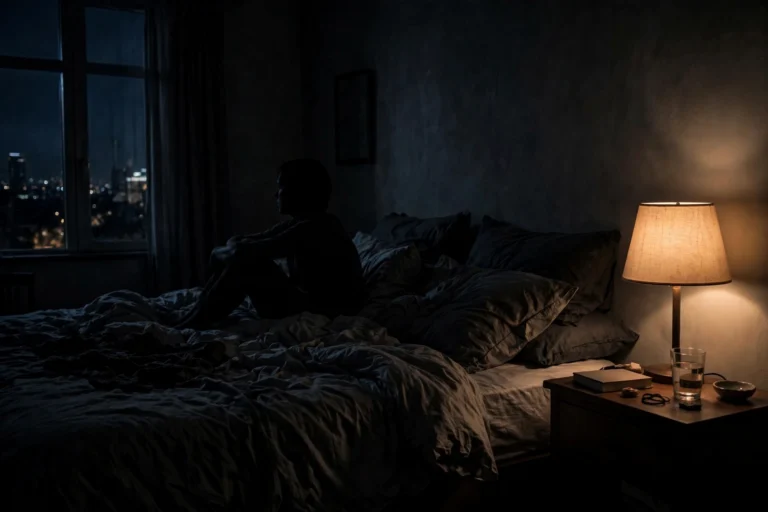

You Sleep Every Night: But How Well Do You Sleep?
You sleep every single night, but have you ever stopped to ask how well you actually sleep? Hours in bed are only part of the story. The real question is whether your sleep is deep, continuous, and refreshing. Or just time spent unconscious.
Most people judge their sleep by one thing: how they feel in the morning. That is a good start, but there are clearer signs of healthy sleep. Learning to read them helps you spot problems early and fix them.

You Sleep: The Morning Test
The simplest measure of your sleep is how you feel when you wake up. People who sleep well tend to wake up feeling clear-headed and reasonably alert within 15-30 minutes, without needing an alarm hammer or three cups of coffee to function.
Waking up groggy occasionally is normal, especially after a short night. But if you regularly feel exhausted despite a full night in bed, your sleep quality, not just quantity, needs attention.
You Sleep: Signs Your Sleep Is Healthy
- You fall asleep within about 10-20 minutes of lying down
- You sleep through most of the night with few awakenings
- You wake up feeling refreshed more days than not
- You stay alert through the day without heavy caffeine
- You rarely need naps to get through the afternoon
- Your bedtime and wake time are fairly consistent
If most of these describe you, sleep is probably working well for you. If few do, small habit changes can make a big difference.
You Sleep: Signs Something Is Off
Poor sleep leaves clues during the day. Frequent yawning, heavy eyelids in meetings, irritability over small things, and reaching for sugar or caffeine for energy are all classic signs.
Nighttime clues matter too: taking over 30 minutes to fall asleep regularly, waking often, snoring loudly, or waking with headaches or a dry mouth. Any of these happening most nights deserves a closer look.
You Sleep: How Much Is Enough for You?
Guidelines say most adults need at least seven hours, but individual needs vary. The honest test is function: the right amount of sleep is whatever lets you wake refreshed and stay sharp all day.
Try this experiment: for two weeks, keep a fixed wake time and go to bed a little earlier every few nights. When you start waking naturally just before the alarm feeling rested, you have found your number.

You Sleep: Tracking Without Obsessing
| Method | What it tells you | Limitation |
|---|---|---|
| Sleep diary | Bedtimes, wake times, daytime energy | Relies on memory |
| Morning rating (1-5) | Simple trend of how rested you feel | Subjective |
| Wearable tracker | Estimates of stages and consistency | Not medical-grade accuracy |
| Partner observations | Snoring, restlessness you can’t see | Only if you share a bed |
Tracking helps you spot patterns, like worse sleep after late caffeine or better mornings after exercise. But do not let scores rule your life: how you feel and function matters more than any number.
You Sleep: The Consistency Factor
One of the strongest predictors of good sleep is also the simplest: regularity. Going to bed and waking at the same times every day trains your body clock, and sleep starts arriving on schedule.
Weekend lie-ins feel good in the moment but can shift your rhythm enough to make Monday miserable. Keeping wake time steady, even on weekends, is the single habit sleep experts recommend most.
You Sleep: Daytime Habits That Shape the Night
Good sleep is built during the day. Morning daylight anchors your body clock. Regular exercise builds healthy sleep pressure. Limiting caffeine to the morning keeps evenings calm.
Even meals play a role: very heavy late dinners can disrupt sleep, while going to bed hungry is equally distracting. A light evening meal a few hours before bed is the comfortable middle ground.
You Sleep: Your Bedroom’s Report Card
Grade your bedroom honestly: is it dark, quiet, cool, and comfortable? Each “no” is a small tax on your sleep quality that adds up night after night.
Simple fixes, blackout curtains or a sleep mask, earplugs or white noise, lighter blankets, a supportive pillow, often improve sleep more than any gadget or supplement.
You Sleep: When to Get Help
Most sleep problems respond to habit changes within a few weeks. But some need professional attention: loud snoring with breathing pauses, persistent insomnia lasting months, overwhelming daytime sleepiness, or unusual behaviors during sleep.
There is no prize for suffering through bad sleep. A healthcare professional can identify treatable causes, from sleep apnea to restless legs to medication effects, that habits alone cannot fix.
Conclusion
You sleep every night, so it is worth knowing whether you sleep well. The signs are simple: easy sleep onset, steady nights, refreshed mornings, and alert days. If those describe you, keep doing what works.
If not, start with the basics, consistent timing, morning light, a calm dark bedroom, and give them a few honest weeks. Good sleep is a skill, and like any skill, it improves with practice.
FAQs
How do I know if I sleep well?
You fall asleep within 10-20 minutes, sleep through most nights, wake refreshed, and stay alert during the day without excessive caffeine. Those four signs together indicate healthy sleep.
Is 6 hours of sleep enough for me?
Probably not. Most adults need at least seven hours. A small minority genuinely thrive on six, but most people who think they do are simply used to being tired.
Why do I feel tired even after 8 hours of sleep?
Likely causes include fragmented sleep, an irregular schedule, sleep apnea, or poor sleep environment. If it persists for weeks, consider a professional evaluation.
Are sleep trackers accurate?
They estimate sleep stages from movement and heart rate, which is useful for spotting trends but not medically precise. Treat them as rough guides, not diagnoses.
What is the best sleep schedule?
The best schedule is a consistent one that gives you enough hours and aligns with daylight. Most adults do well with a regular nighttime block of 7-9 hours.
Can I catch up on sleep on weekends?
Extra weekend sleep helps a little but does not fully repay sleep debt, and big lie-ins shift your body clock. Consistent nights beat weekend recovery.
When should I see a doctor about my sleep?
If poor sleep lasts months despite good habits, or you have loud snoring, breathing pauses, gasping, or severe daytime sleepiness, seek professional advice.
Related reading: Sleep But Why You Sleep But Still Feel Tired | Why Do We Sleep? The Science Behind Sleep | Sleep: What Is Sleep? A Complete Guide
Related Articles

Ryan Foster is a curious and dedicated professional with an interest in digital content, lifestyle, and online research. He enjoys exploring useful ideas, learning about new topics, and sharing practical information with others. Ryan values continuous learning, creativity, and building meaningful connections through the digital world.