
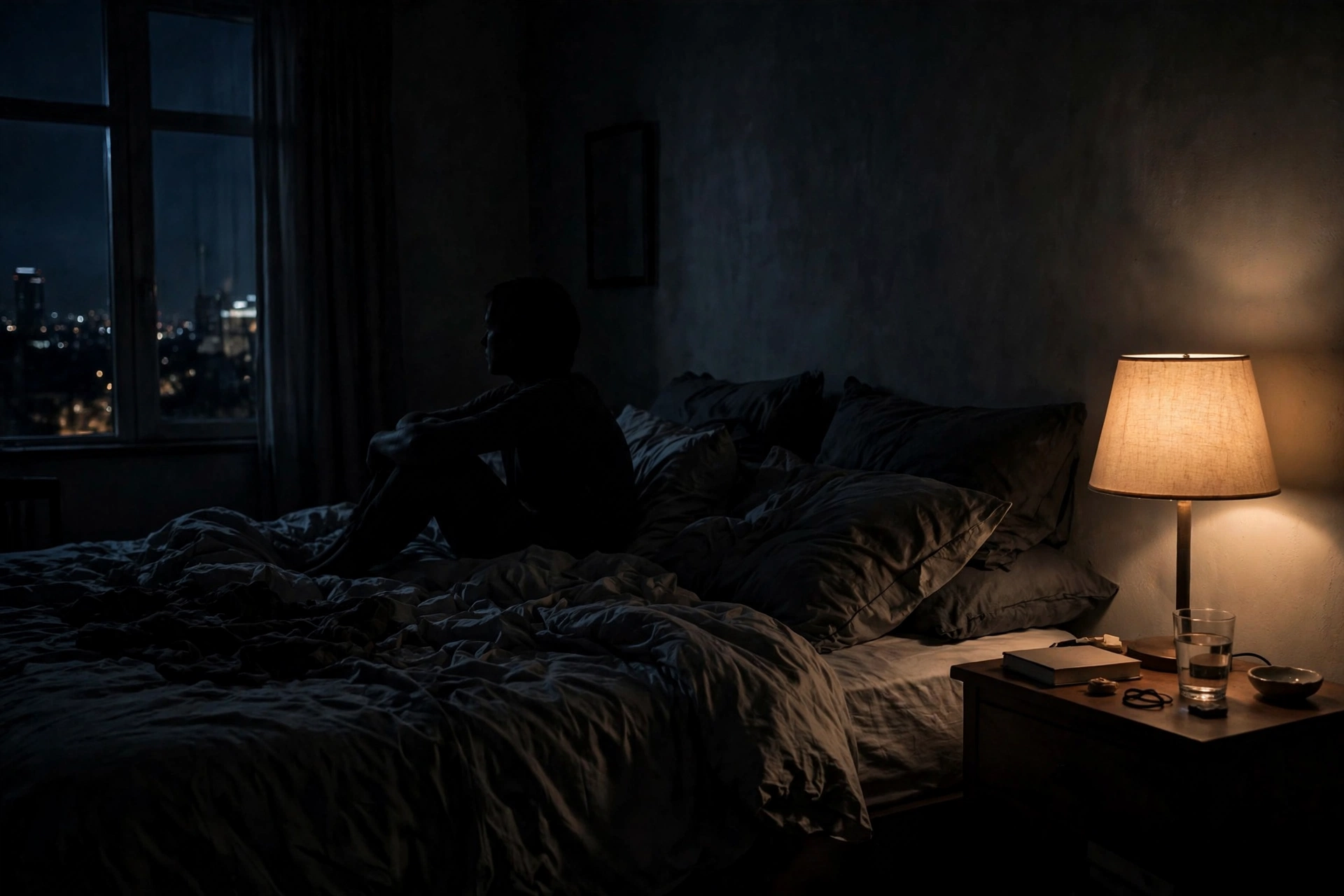
Sleep, Where Are You? Why Sleep Won’t Come
Sleep, where are you? It is 2 AM, the house is silent, and you are staring at the ceiling while the whole world seems to be dreaming. If you have ever whispered this question into the dark, you are far from alone: sleepless nights are one of the most common human experiences.
The frustrating truth is that sleep cannot be chased. The harder you hunt it, the faster it runs. But while you cannot force sleep, you can understand why it stays away and create the conditions that invite it back.

Sleep, Where Are You? The 2 AM Feeling
There is a special loneliness to being awake when everyone else sleeps. Thoughts that seemed manageable at noon grow enormous at night. Worries loop, the clock seems to mock you, and each passing minute makes morning feel more impossible.
Here is the first reassurance: an occasional sleepless night is normal and harmless. Stress, excitement, caffeine, or a disrupted routine can all steal one night. It becomes a problem only when it turns into a pattern. And patterns can be changed.
Why Sleep Won’t Come: The Main Culprits
Sleeplessness almost always has a reason, even when it feels random. The usual suspects are remarkably consistent: stress and worry, irregular schedules, late caffeine or alcohol, bright screens, an uncomfortable bedroom, and the anxiety about not sleeping itself.
Sleep, where are you? Often the honest answer is: blocked by something in your day. Sleep is the end of a chain, and a broken link anywhere, too much evening stimulation, too little daytime activity, a body clock set to the wrong time, breaks the whole chain.
Sleep Where Are You: Racing Thoughts
The most common thief of sleep is the busy mind. Lying in the dark with nothing to distract you, the brain replays conversations, rehearses tomorrow, and catastrophizes about the consequences of not sleeping.
This creates a cruel loop: worry keeps you awake, being awake gives you more to worry about. Breaking the loop starts with accepting that a racing mind at night is a daytime problem: it is solved with daytime habits, not midnight willpower.
The Harder You Try, the Further It Goes
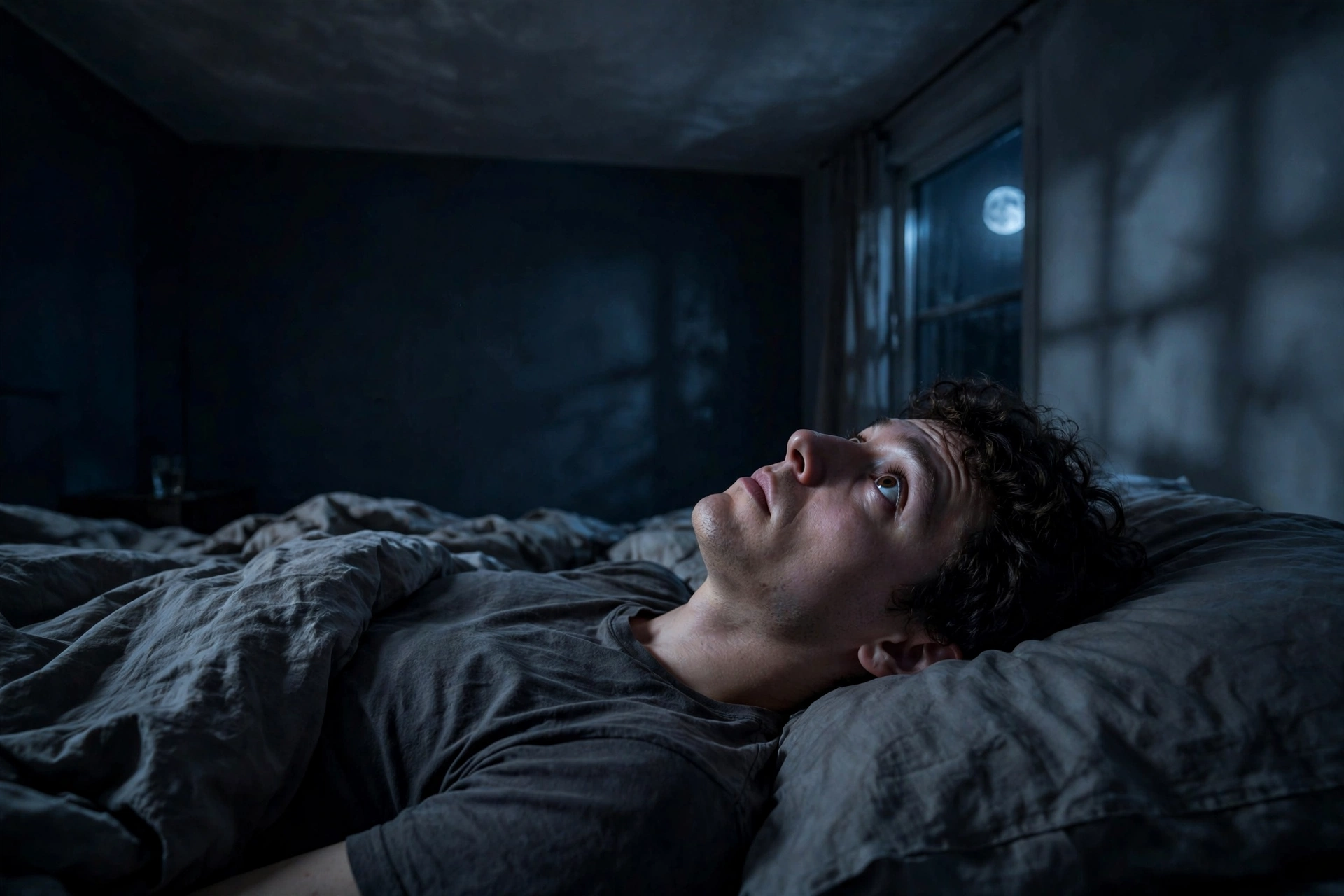
Sleep researchers describe a paradox: trying hard to fall asleep keeps you awake. Effort means alertness, and alertness is the opposite of sleep. This is why clock-watching is so destructive: every glance is a tiny jolt of arousal.
The way out is counterintuitive: stop trying. If sleep has not come in 20-30 minutes, get up, go to another dim room, and do something calm and boring until drowsiness returns. The bed must stay associated with sleep, not struggle.
Sleep, Where Are You? Common Causes at a Glance
| Cause | How it steals sleep | What helps |
|---|---|---|
| Stress and worry | Racing thoughts, physical tension | Wind-down routine, daytime stress habits |
| Late caffeine | Blocks sleep pressure for 6+ hours | None after early afternoon |
| Evening alcohol | Fragments the second half of night | Avoid near bedtime |
| Bright screens | Suppresses melatonin, stimulates mind | Screens off 30-60 min before bed |
| Irregular schedule | Body clock never learns when to tire | Fixed wake time daily |
| Sleep anxiety | Fear of not sleeping causes arousal | Acceptance, get-up rule, CBT-I techniques |
What Not to Do at 2 AM
- Do not check the clock repeatedly: it fuels arousal
- Do not scroll your phone: light plus stimulation is the worst combination
- Do not lie there getting angry: frustration is alertness
- Do not take unprescribed sleep aids: talk to a professional first
- Do not plan tomorrow’s problems: write them down instead and let go
- Do not nap long the next day: protect the next night’s sleep pressure
Gentle Ways to Invite Sleep Back
When sleep is missing, think invitation, not command. Slow breathing, a long exhale through the nose, tells the nervous system the emergency is over. Progressive muscle relaxation, tensing and releasing each group, melts the physical tension worry creates.
Boring is beautiful at 2 AM. A dull book, a calm podcast at low volume, or simple counting can occupy the mind just enough to stop the worry loop without waking it further. Sleep, where are you?: often just one calm, boring stretch away.
Sleep Where Are You: Building Better Nights
| Time | Habit |
|---|---|
| Morning | Same wake time daily + daylight within an hour |
| Daytime | Physical activity; caffeine only before noon |
| Evening | Dim lights; screens off 30-60 min before bed |
| Bedtime | Same time nightly; cool, dark, quiet room |
| If awake 20+ min | Get up to a dim room; return only when drowsy |
When Sleeplessness Needs Professional Help
Occasional bad nights need patience, not treatment. But seek professional guidance if sleeplessness happens three or more nights a week for months, leaves you impaired during the day, or comes with loud snoring, gasping, or persistent low mood.
The gold-standard treatment for chronic insomnia is CBT-I (cognitive behavioral therapy for insomnia): a structured, drug-free program with strong evidence. It addresses exactly the thought and behavior loops described above.
Conclusion
Sleep, where are you? Usually closer than it feels: hidden behind worry, habits, or a confused body clock rather than gone for good. Stop chasing it, fix the daytime links in the chain, and let drowsiness come to you.
Be patient with the process; new sleep habits take weeks, not nights. And if sleeplessness persists despite genuine effort, or brings concerning symptoms, a healthcare professional can help find what is really keeping you up.
FAQs
Why can’t I sleep even though I’m tired?
Being tired is not the same as being sleepy-ready. Stress hormones, late caffeine, bright light, or anxiety about sleeping can keep the brain alert even when the body is exhausted.
Is it bad to lie awake for hours?
Occasionally, no. But regularly lying awake trains the brain to associate bed with wakefulness. The 20-minute rule, get up if sleep won’t come, protects that association.
Does counting sheep actually work?
Mildly, for some people. Any calm, boring mental task can interrupt worry loops. Slow breathing and muscle relaxation have better evidence behind them.
Should I take sleeping pills for occasional insomnia?
Do not start sleep medication on your own. Occasional sleeplessness rarely needs drugs; persistent insomnia deserves professional evaluation, where CBT-I is usually tried first.
Why do I wake up at 3 AM every night?
Common reasons include stress, alcohol wearing off, blood sugar dips, or a body clock issue. If it is nightly and distressing, it is worth discussing with a professional.
Can anxiety cause insomnia?
Yes: anxiety is one of the most common causes. Worry creates physical arousal incompatible with sleep, and the resulting sleeplessness creates more anxiety. Breaking either side of the loop helps.
How long does it take to fix insomnia?
With consistent habit changes, many people notice improvement in 2-4 weeks. Structured CBT-I programs typically run 6-8 weeks. Patience is part of the treatment.
Related reading: Sleep: How to Sleep Faster Better | Into Deep Sleep | Sleep But Why You Sleep But Still Feel Tired
Related Articles

Ryan Foster is a curious and dedicated professional with an interest in digital content, lifestyle, and online research. He enjoys exploring useful ideas, learning about new topics, and sharing practical information with others. Ryan values continuous learning, creativity, and building meaningful connections through the digital world.