

Our Sleep: Why Sleep Is a Shared Human Experience
Our sleep is more shared than we realize. We tend to think of sleep as a private, solitary act. But for most of human history, people slept together: families in one room, travelers in shared quarters, communities attuned to the same rhythms of light and dark.
Even today, our sleep connects us. Partners sync their bedtimes, babies set the household schedule, and entire societies shift their rest around work, school, and seasons. Sleep is personal, but it is never only personal.
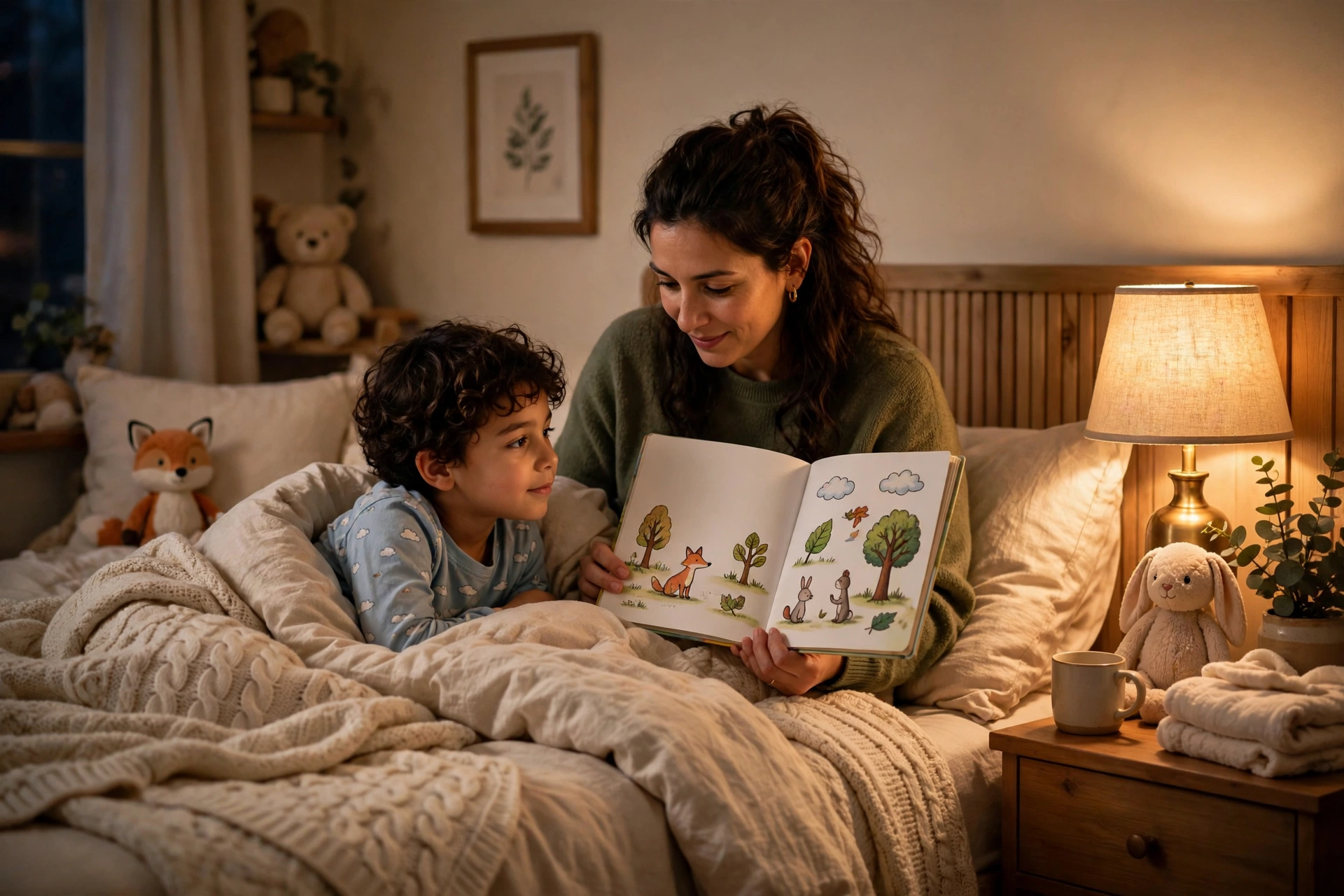
Our Sleep: A Shared Human Story
For most of history, humans slept communally. Shared sleeping spaces were warmer, safer, and simply normal. The private bedroom is a relatively recent invention, and even now most adults share their bed with a partner.
This shared history shaped our sleep itself. Humans are social sleepers: we feel safer, and sleep more deeply, when trusted others are nearby. It is biology, not just sentiment.
Our Sleep: Couples and Bedtimes
Partners often influence each other’s sleep more than either realizes. Different bedtimes, snoring, blanket wars, and restless legs are among the most common sleep complaints in the world: all of them shared-sleep problems.
The good news: couples who align their schedules and solve the practical issues often sleep better together than apart. Communication about sleep is as important as communication about anything else in a relationship.
Our Sleep: Families and Children
Children’s sleep shapes the whole household. Newborns wake through the night, teenagers shift late, and parents absorb the disruption. Family sleep is a team effort, and routines that work for everyone beat perfect routines that work for one person.
Consistent family rhythms, regular mealtimes, wind-down routines, predictable bedtimes, help children and adults alike. When the household runs on a steady clock, everyone’s sleep improves.
Our Sleep: How We Affect Each Other’s Rest
| Shared factor | How it affects sleep | What helps |
|---|---|---|
| Different bedtimes | Light and movement disturb the earlier sleeper | Agree on a shared wind-down time |
| Snoring | Fragments the partner’s sleep | Side sleeping; evaluation if loud |
| Different temperatures | One too hot, one too cold | Separate blankets; layered bedding |
| Alarm times | Early riser wakes the later sleeper | Gentle vibrating alarms |
| Pets in bed | Movement and warmth wake light sleepers | Pet bed beside yours as compromise |

Our Sleep: The Science of Sleeping Together
Research on co-sleeping couples shows something interesting: partners’ sleep stages can synchronize, and many people report feeling safer and falling asleep faster beside someone they trust: even though measurements sometimes show slightly more fragmented sleep.
The trade-off is real but manageable. Emotional comfort improves the feeling of rest, while practical disruptions can be reduced with the right setup: a big enough bed, separate blankets, and honest conversation about what each person needs.
Our Sleep: Cultures Around the World
Sleep arrangements vary enormously across cultures. In many parts of the world, whole families still share sleeping spaces. Afternoon naps are built into the day in some countries, while others run on strict early schedules.
There is no single “correct” way for humans to organize sleep. The best arrangement is the one that gives everyone in the household enough consistent, quality rest.
Our Sleep: Shift Work and Modern Life
Modern schedules pull our sleep in different directions. Shift workers sleep while the world is awake; teenagers’ clocks run late while school starts early; global teams span time zones.
When schedules clash within a household, protecting sleep becomes a deliberate act: dark bedrooms for day sleepers, quiet hours everyone respects, and routines that anchor each person’s rhythm.
Our Sleep: Simple Rules for Shared Rest
- Agree on a household quiet time each night
- Solve snoring early: it affects two people’s health
- Use separate blankets if temperature needs differ
- Keep phones out of the bedroom, for everyone
- Respect different chronotypes instead of fighting them
- Talk about sleep problems before resentment builds
Our Sleep: When Togetherness Hurts Sleep
Sometimes sharing sleep genuinely does not work: severe snoring, very different schedules, or medical issues like sleep apnea can make separate sleeping arrangements the healthier choice.
Sleeping apart does not mean growing apart. Many couples find that better sleep makes their waking hours together far happier. The goal is rest for everyone, not a particular bedroom layout.
Conclusion
Our sleep has always been shared: with partners, families, and communities. Recognizing that makes sleep problems easier to solve, because most of them are really coordination problems with practical fixes.
Talk about sleep the way you talk about anything that matters in a household: openly, kindly, and with the goal of everyone waking up rested. If persistent problems like loud snoring or gasping continue, a healthcare professional can help the whole household rest easier.
FAQs
Is it better to sleep together or apart?
It depends on the couple. Many people feel safer and fall asleep faster together, but disruptive snoring or mismatched schedules can make separate arrangements healthier. There is no universal right answer.
Why do couples’ sleep schedules sync?
Shared routines, light exposure, and social cues naturally align bedtimes. Partners also influence each other’s wind-down habits, for better or worse.
How do I deal with a snoring partner?
Earplugs and white noise help with mild snoring. Loud, nightly snoring with breathing pauses should be evaluated by a healthcare professional, as it may be sleep apnea.
Should babies sleep in the parents’ room?
Guidelines vary by age and region, but many experts recommend room-sharing (baby in their own sleep space) for the early months. Follow your pediatrician’s guidance.
Can pets sleeping in bed ruin sleep?
They can disturb light sleepers with movement and warmth, but many owners sleep fine and feel comforted. A pet bed beside yours is a good compromise.
What if my partner and I have opposite schedules?
Protect each person’s sleep with blackout curtains, quiet hours, and separate wind-down routines. Respect the difference instead of forcing one schedule.
Does sleeping apart hurt a relationship?
Not necessarily. Poor sleep hurts relationships far more than separate bedrooms do. Many couples report being happier together during the day after sleeping well apart.
Related reading: Sleep in Love: Romantic Sleeping Positions | Love to Sleep: Why You Love Sleeping | Into Deep Sleep: How to Get Deeper
Related Articles

Ryan Foster is a curious and dedicated professional with an interest in digital content, lifestyle, and online research. He enjoys exploring useful ideas, learning about new topics, and sharing practical information with others. Ryan values continuous learning, creativity, and building meaningful connections through the digital world.


