
World of Sleep: How the World Sleeps
The world of sleep is far more varied than most of us imagine. While every human needs sleep, how, when, and where we sleep differs dramatically across cultures. From Spanish siestas to Japanese micro-naps, the planet is full of different answers to the same nightly question.
Exploring the world of sleep is not just travel trivia. Other cultures have solved sleep problems we still struggle with. And their solutions might work for you too.

World of Sleep: One Need, Many Nights
Strip away the details and every culture sleeps: the need is universal. But the packaging varies enormously. Some societies split sleep into two parts, some nap daily by law and custom, some sleep communally while others prize the private bedroom.
The world of sleep teaches a humbling lesson: our own way, eight straight hours, alone, in the dark, is one option among many, not the only natural one.
The Siesta Belt: Afternoon Rest by Design
Across Spain, Latin America, parts of Africa, and Asia, the afternoon nap is institutional. Shops close, streets quiet, and people rest through the hottest hours. The siesta aligns beautifully with biology: the early afternoon dip in alertness is real and universal.
Modern work schedules have eroded the siesta in many cities, but the idea persists because it works. A short afternoon rest, taken without guilt, is one of humanity’s oldest productivity hacks.
World of Sleep: Japan’s Inemuri
Japan has a celebrated tradition called inemuri: literally “sleeping while present.” Dozing on trains, in offices, even in meetings is socially accepted, even respected: it signals you have worked hard enough to need rest.
Inemuri comes with unspoken rules: sleep compactly, stay upright, remain ready to return. It is napping as a public skill rather than a private shame: a strikingly different attitude from cultures where daytime sleep looks lazy.
Segmented Sleep: The Pre-Industrial Night
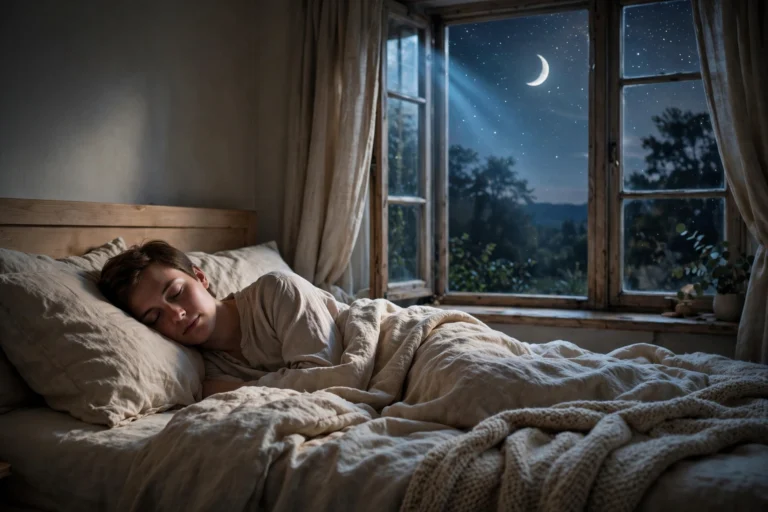
Before electric light, much of the world practiced segmented sleep: two sleeps with a waking hour between.
First Sleep and Second Sleep
Historical records across Europe describe “first sleep” from dusk until around midnight, then an hour or two of quiet wakefulness, for prayer, reflection, conversation, even visiting neighbors, followed by “second sleep” until dawn.
What Changed
Artificial light compressed the night. When darkness shrank from twelve hours to eight, two sleeps merged into one. Modern “insomnia”, waking at 3 AM, may partly be this ancient pattern surfacing in bodies that remember it.
World of Sleep: Where People Sleep
| Culture / region | Typical arrangement |
|---|---|
| Much of Asia and Africa | Family co-sleeping is normal and expected |
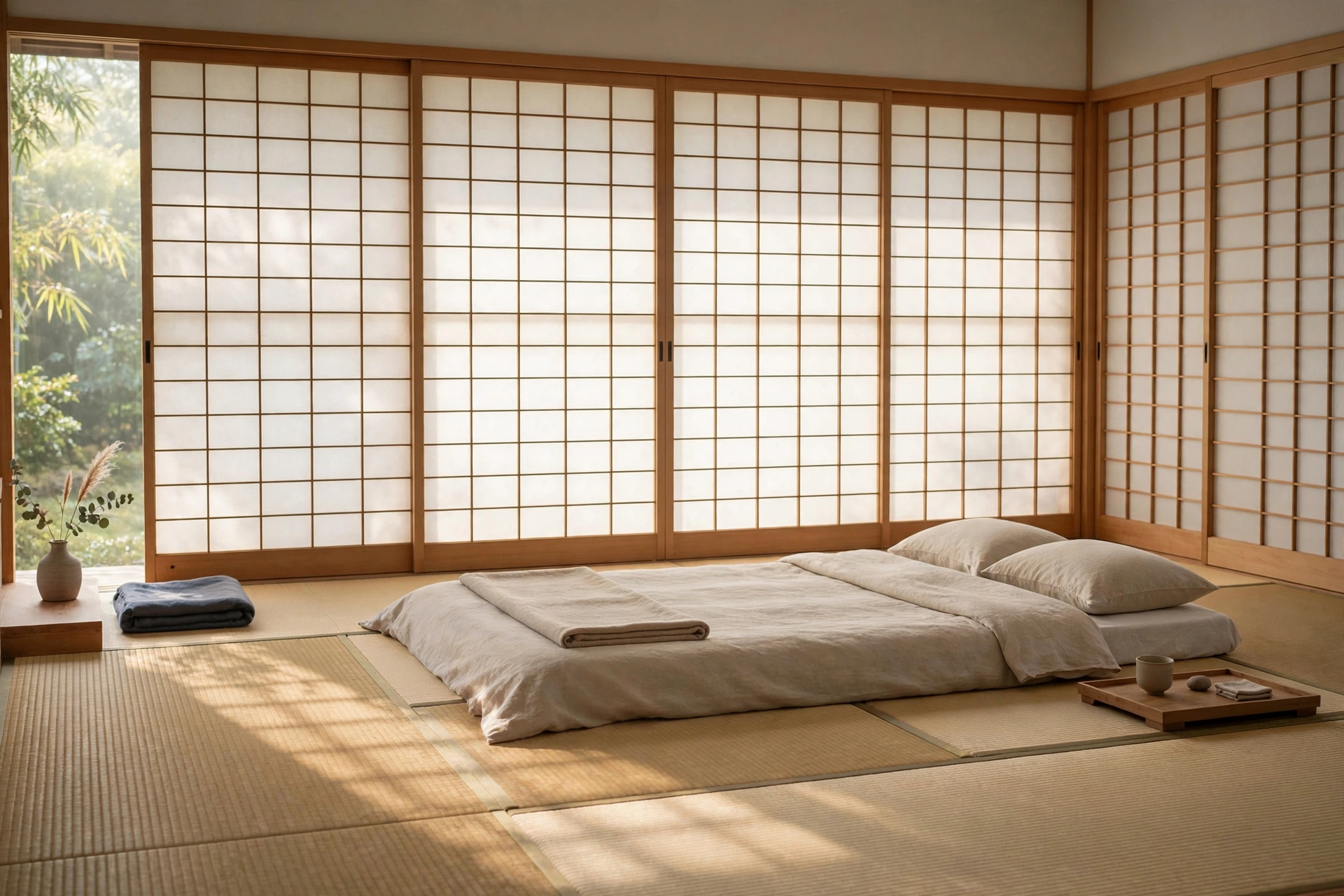
| Japan | Families often share sleeping rooms; firm futons on floors |
| Scandinavia | Babies nap outdoors in prams, even in winter |
| Western norm | Private bedrooms; babies in separate rooms early |
| Nomadic cultures | Sleep wherever the group rests; flexible and communal |
World Sleep Day: A Global Celebration
Every March, World Sleep Day unites sleep scientists, doctors, and the public across dozens of countries. Each year carries a theme, recent ones include “Sleep Well, Live Better”, and events range from public lectures to social media campaigns.
The day exists because poor sleep is a global health issue, not a personal failing. The world of sleep now includes a worldwide movement to treat rest as the public health priority it is.
What the World Teaches Us About Rest
- From siesta cultures: a guilt-free afternoon rest is productive, not lazy
- From Japan: brief public naps can be respectable, not shameful
- From history: waking at night is not always insomnia: sometimes it is heritage
- From Scandinavia: fresh air and cool temperatures genuinely aid sleep
- From communal sleepers: rest need not be solitary to be deep
- From World Sleep Day: sleep deserves the same public attention as diet and exercise
World of Sleep: Are We Sleeping Less Than Before?
On average, probably yes. Electric light, shift work, and glowing screens have trimmed roughly an hour from typical nights over the past century in industrialized countries. The world of sleep is, in one sense, a shrinking world.
But awareness is rising as fast as sleep is falling. The same global connectivity that brought late-night scrolling also spreads sleep science. And the worldwide rest movement may yet reverse the trend.
Bringing the World Home: Ideas to Borrow
- Try a 20-minute siesta-style nap in the early afternoon dip
- Permit yourself inemuri-style micro-rest without guilt on hard days
- If you wake at night, use the time calmly instead of panicking: the segmented sleepers did
- Cool your bedroom like the Scandinavians; fresh air helps
- Mark World Sleep Day each March as your annual sleep check-up
Conclusion
The world of sleep is wonderfully diverse, yet it keeps teaching the same lessons: rest matters, guilt helps nothing, and there are many valid ways to a good night. No single culture owns the perfect formula. But together they offer a rich menu of ideas.
Borrow what fits your life, respect what does not, and remember that your sleep struggles are shared by millions across the globe. If problems persist, chronic insomnia, loud snoring, or crushing daytime fatigue, discuss them with a healthcare professional, wherever in the world you are.
FAQs
What is World Sleep Day?
World Sleep Day is an annual global awareness event each March, organized by sleep scientists and health groups, promoting healthy sleep through events and campaigns in dozens of countries.
Do all cultures sleep 8 hours straight?
No. Many cultures nap daily, historically slept in two segments, or sleep communally. The unbroken eight-hour night is largely a modern industrial norm, not a universal rule.
What is a siesta?
A siesta is a traditional afternoon rest, common in Spain, Latin America, and other warm regions, aligning with the natural early-afternoon dip in alertness.
What is inemuri?
Inemuri is the Japanese practice of napping while present: dozing in public places like trains or offices. It is socially accepted and seen as a sign of diligence.
Did people really sleep in two segments?
Historical evidence across pre-industrial Europe describes “first sleep” and “second sleep” with a waking interval between. Artificial light largely merged them into one block.
Which country sleeps the most?
Rankings vary by study and measure, but the Netherlands, New Zealand, and Australia often top average-duration lists, while some East Asian countries average the least: largely due to work culture.
Can I adopt segmented sleep today?
Some people experiment with it, but modern schedules rarely allow it. Its main lesson for today: calm acceptance of nighttime waking beats anxious clock-watching.
Related reading: Sleep and Dream: How Sleep Works | Love to Sleep | Sleep Dream
Related Articles

Ryan Foster is a curious and dedicated professional with an interest in digital content, lifestyle, and online research. He enjoys exploring useful ideas, learning about new topics, and sharing practical information with others. Ryan values continuous learning, creativity, and building meaningful connections through the digital world.