We Are the Sleep: Reclaiming Rest from Burnout Culture
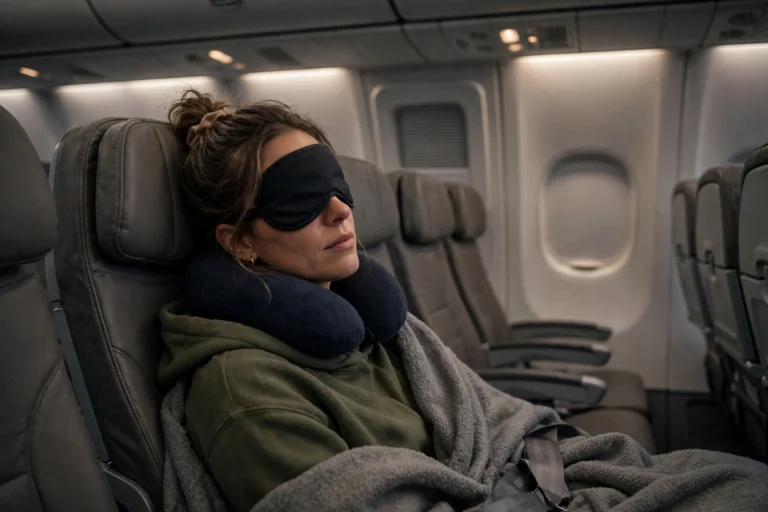
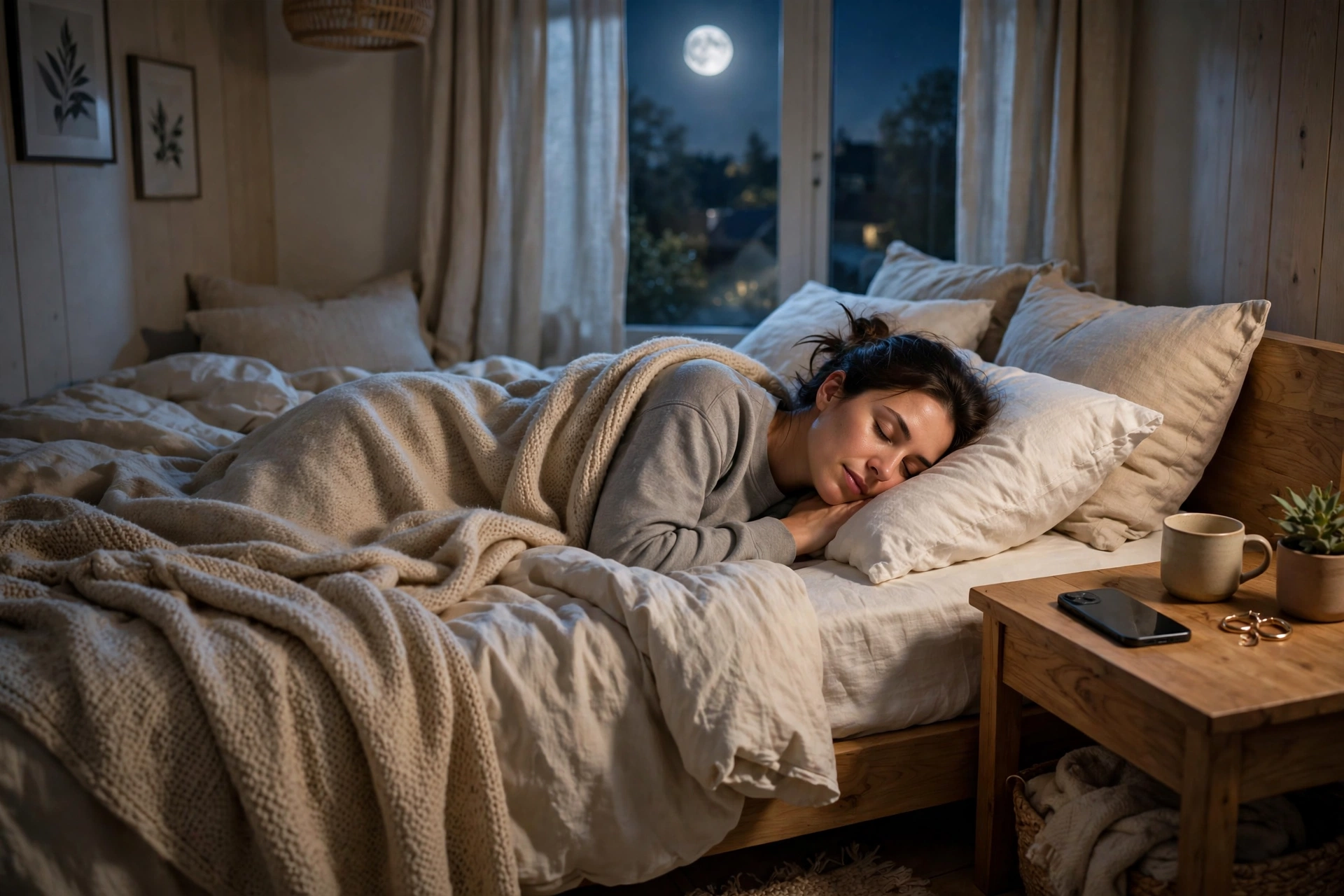
We are the sleep generation. Not the burnout generation, not the hustle generation: the generation that finally decided rest is not laziness. After decades of glorifying sleeplessness, millions of people are reclaiming their nights, and the phrase captures the mood perfectly.
We are the sleep people now: the ones who leave work on time, who protect their bedtimes, who say no to one more episode. This article explores what this quiet rebellion means, why it matters for health, and how you can join it without guilt.

We Are the Sleep: What Does It Mean?
To say we are the sleep is to claim an identity. It means you have stopped treating exhaustion as a badge of honor. It means rest is scheduled, protected, and respected: not squeezed into whatever hours remain after everything else.
This is not about sleeping twelve hours a day. It is about refusing the idea that your worth is measured by how little rest you need. The sleep generation wants full lives and full nights, and sees no contradiction in that.
How Hustle Culture Stole Our Nights
For years, popular culture celebrated the grind. “Sleep when you’re dead” was printed on mugs. Startup founders bragged about four-hour nights. The message was clear: rest was for people who were not serious enough.
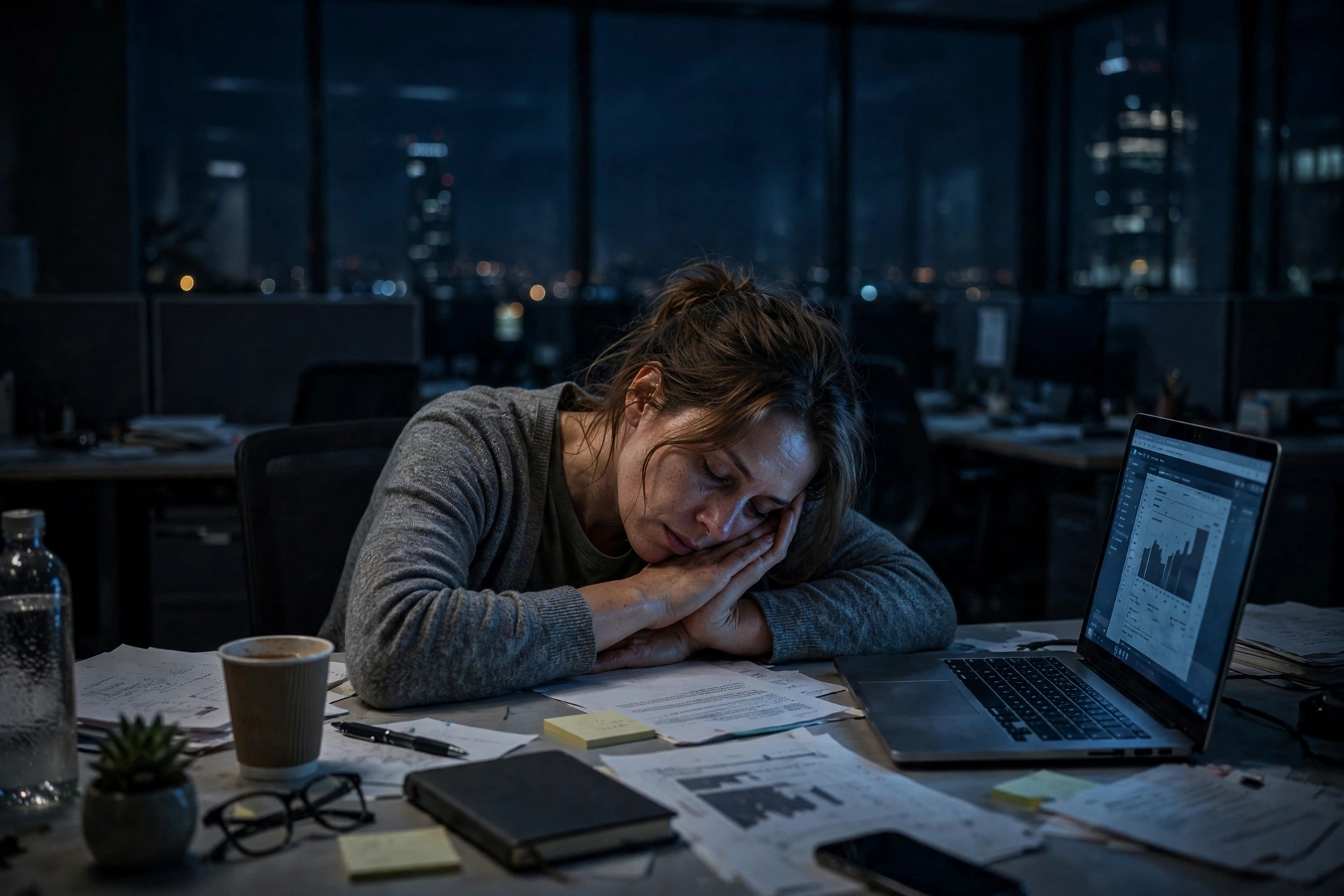
The result was predictable. Chronic short sleep became normal, and with it came rising rates of burnout, anxiety, and exhaustion-related illness. An entire workforce learned to run on caffeine and willpower, mistaking survival for success.
We Are the Sleep Generation: The Shift
The shift began quietly. Sleep scientists kept publishing evidence. High-profile burnout stories kept making headlines. And ordinary people started noticing that the hustle was not delivering the promised happiness: only tiredness.
Now rest is being reframed as performance, not weakness. Athletes talk about sleep as training. Executives protect their bedtimes. We are the sleep generation because we finally listened to what the science was saying all along.
Why Rest Is a Right, Not a Reward
One of the most damaging ideas of hustle culture was that rest must be earned. Finish everything first, then you may sleep. But there is always more to finish, so sleep never comes.
Biology does not negotiate this way. Sleep is a need, like food and water. Treating it as a reward you grant yourself after productivity is like treating breathing as a reward. We are the sleep people because we put the need first and let productivity follow.
The Cost of Treating Sleep as Optional
| What burnout culture says | What actually happens |
|---|---|
| “Sleep is for the weak” | Short sleep weakens immunity and focus |
| “Grind now, rest later” | Sleep debt compounds; “later” never fully repays it |
| “Caffeine replaces sleep” | Caffeine masks sleepiness; it does not restore the brain |
| “Busy means important” | Exhaustion reduces the quality of the work itself |
| “Rest is laziness” | Rest is when memory, repair, and creativity happen |
We Are the Sleep: Setting Boundaries for Rest
Joining the sleep generation is mostly about boundaries. Decide your bedtime and defend it like a meeting with your most important client: because it is one, with your future self.
Boundaries also mean managing other people’s expectations. Tell colleagues you do not answer messages after a certain hour. Tell family that your wind-down time is real. Most people respect boundaries once they see you respect them yourself.
Reclaiming Your Evenings: Practical Steps
- Pick a bedtime and work backward to set a “screens off” time 30-60 minutes earlier
- Create a shutdown ritual for work: close the laptop, write tomorrow’s list, walk away
- Replace doomscrolling with one calming activity: reading, stretching, music
- Keep the phone charging outside the bedroom, or at least face-down on Do Not Disturb
- Make the bedroom a rest sanctuary: cool, dark, quiet, comfortable
- Protect one full day off per week from catch-up work
We Are the Sleep at Work: Rethinking Productivity
The irony of hustle culture is that it hurt the very productivity it worshipped. Well-rested people focus better, decide faster, and make fewer errors. Companies are slowly learning that rested teams outperform exhausted ones.
You do not need your employer’s permission to sleep, but workplaces are changing too: flexible hours, no-meeting mornings, and respect for off-hours are becoming selling points. We are the sleep generation at work as well as at home.
Small Rebellions: A Weekly Rest Plan
| Day | Small rebellion |
|---|---|
| Monday | Set a firm bedtime for the week |
| Tuesday | Take a real lunch break, away from screens |
| Wednesday | End work on time, no “just one more email” |
| Thursday | 20-minute walk without your phone |
| Friday | Shut down work completely by evening |
| Weekend | One full morning with no alarms and no plans |
Conclusion
We are the sleep generation, and that is something to be proud of. Choosing rest in a world that profits from your exhaustion is a genuine act of independence. It protects your health, sharpens your mind, and gives your days back their color.
Start small: one boundary, one earlier bedtime, one evening reclaimed. If exhaustion has become your permanent state despite better habits, or comes with symptoms like loud snoring or persistent low mood, discuss it with a healthcare professional. Rest is your right: claim it.
FAQs
What does “we are the sleep” mean?
It is a cultural phrase for people who prioritize rest over hustle. It means rejecting the idea that exhaustion equals success and treating sleep as a non-negotiable need.
Is the “sleep generation” a real movement?
It describes a real cultural shift: growing public interest in sleep science, rest advocacy, and pushback against burnout culture, visible in media, workplaces, and wellness trends.
Does prioritizing sleep hurt your career?
Evidence suggests the opposite. Well-rested people concentrate better, decide faster, and produce higher-quality work. Chronic exhaustion reliably degrades performance.
How do I start reclaiming rest?
Begin with one boundary: a consistent bedtime defended like an appointment. Add a wind-down routine and a screens-off time, then expand from there.
Is it lazy to need 8 hours of sleep?
No. Most adults need 7-9 hours; needing sleep is biology, not character. Framing a biological need as laziness was one of hustle culture’s most harmful myths.
What if my job demands long hours?
Protect what you can: consistent timing matters even with shorter nights, plus naps, daylight, and real days off. If exhaustion becomes unmanageable, it is worth addressing with your employer or a professional.
Can rest really improve productivity?
Yes. Sleep consolidates learning, restores attention, and supports creativity. Many high performers now treat sleep as part of training, not time stolen from it.
Related reading: You Want to Sleep All the Time? | Into Deep Sleep | Love to Sleep
Related Articles

Ryan Foster is a curious and dedicated professional with an interest in digital content, lifestyle, and online research. He enjoys exploring useful ideas, learning about new topics, and sharing practical information with others. Ryan values continuous learning, creativity, and building meaningful connections through the digital world.