The Sleep We Need: How Much Rest Do You Really Need?
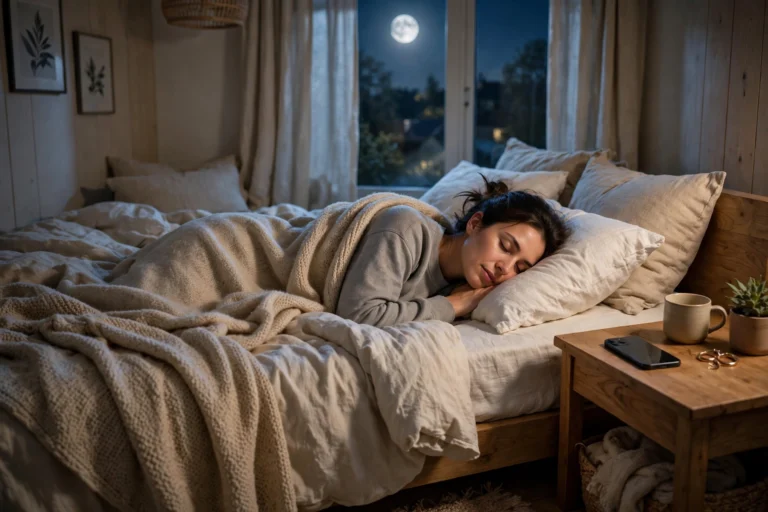
How much is enough? Sleep we need is not one-size-fits-all: it shifts with age, health, activity, and even the season. Yet most of us guess at our number instead of finding it. Here is how to pin down the rest you truly require.
Getting sleep we need right is one of the highest-leverage health decisions you can make. Too little quietly taxes everything; enough transforms how days feel.

Sleep We Need: The Official Guidelines
| Age group | Recommended nightly sleep |
|---|---|
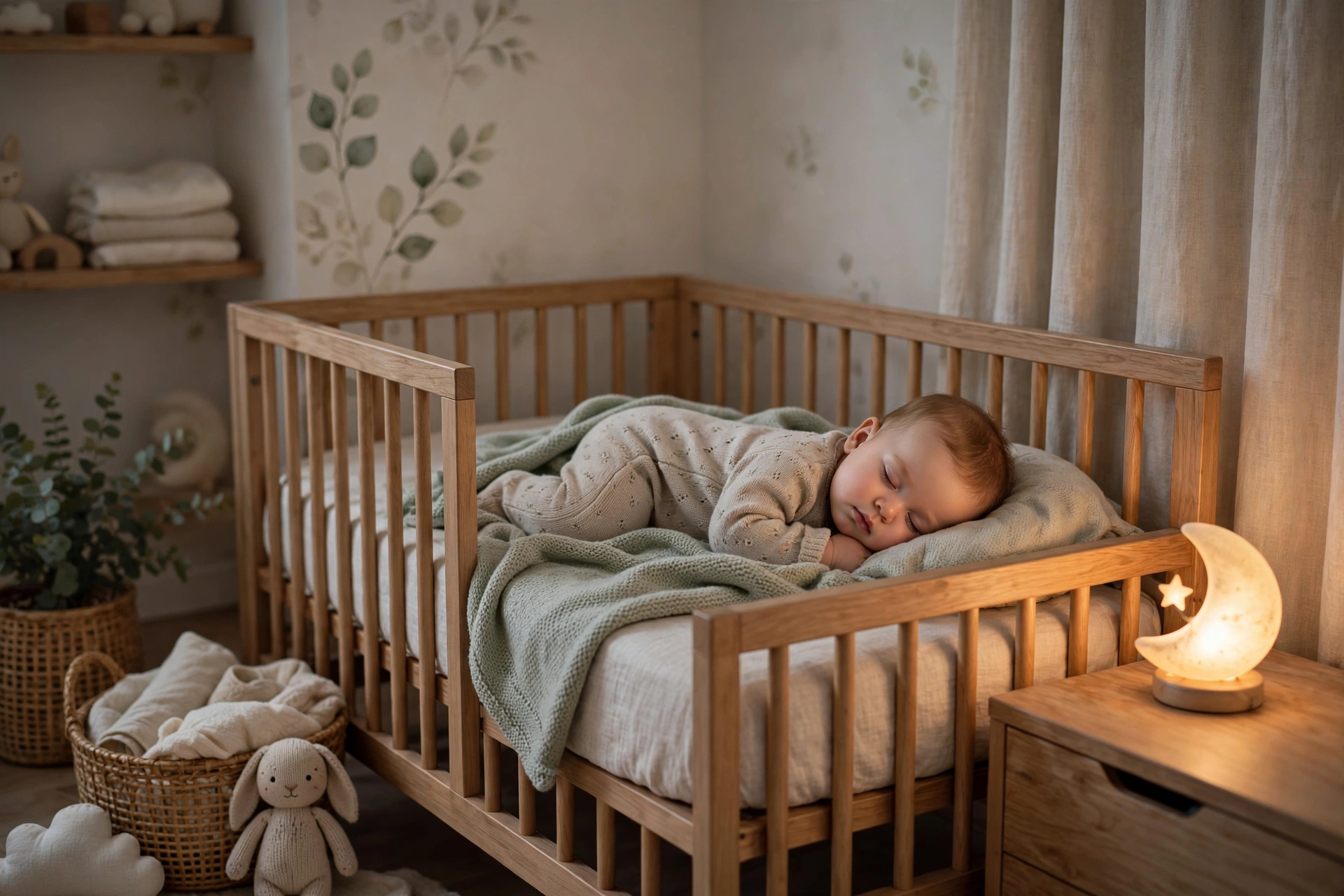
| Newborns (0-3 months) | 14-17 hours |
| Infants (4-12 months) | 12-16 hours |
| Children (1-5 years) | 10-14 hours |
| School age (6-13 years) | 9-12 hours |
| Teenagers (14-17 years) | 8-10 hours |
| Adults (18-64 years) | 7-9 hours |
| Older adults (65+) | 7-8 hours |
These ranges come from expert panels reviewing hundreds of studies. They are starting points: your personal number lives somewhere inside your range.
Sleep We Need: Why Needs Differ
Genetics sets your baseline: some people are natural short sleepers, others need nine hours to thrive. Activity matters too: athletes, manual laborers, and the ill generally need more.
Stress, pregnancy, and recovery from illness all temporarily raise the sleep we need. Fighting your body’s increased demand during these times only prolongs the strain.
Sleep We Need: Signs You Are Getting Enough
- You wake naturally near your alarm, feeling clear
- You stay alert through the afternoon without heavy caffeine
- Your mood is steady and your patience holds
- You fall asleep within 10-20 minutes at night
- You rarely “crash” on weekends with marathon sleep-ins
Sleep We Need: Signs You Are Running Short
- Needing an alarm plus snooze battles every morning
- Falling asleep the instant your head hits the pillow
- Afternoon energy crashes that demand caffeine or sugar
- Weekend sleep-ins two or more hours longer than weekdays
- Dozing during passive moments: meetings, movies, reading
Sleep We Need: The Teenage Exception
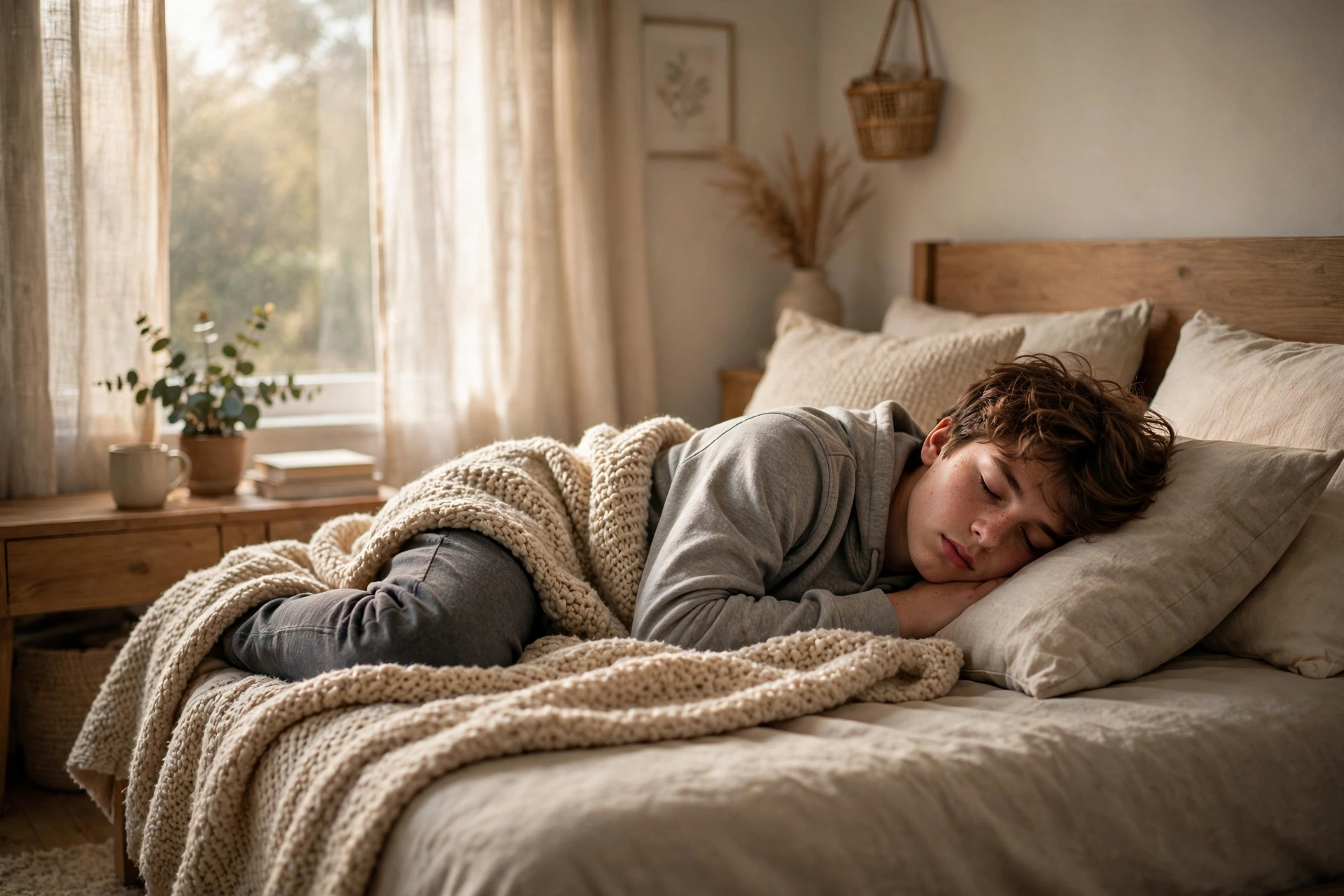
Teenagers are not lazy: their body clocks genuinely shift later during puberty, while schools still start early. The result is a generation running a chronic deficit through no fault of their own.
If you parent a teen, protect their sleep fiercely: later bedtimes are biology, not rebellion, and the need for 8-10 hours is real.
Sleep We Need: Do Needs Shrink With Age?
Older adults often sleep less, but that is partly because aging fragments sleep rather than reducing the need. The recommended 7-8 hours still applies past 65.
What changes is architecture: deep sleep declines with age, so the same hours deliver slightly less restoration. Protecting quality, treating apnea, easing pain, keeping schedules, matters even more.
Sleep We Need: Finding Your Personal Number
Try this two-week experiment: keep a fixed wake time and go to bed 15 minutes earlier every three nights. Note each morning’s freshness from 1-5. When scores plateau at 4-5, you have found your number.
Most people land between seven and nine hours. Whatever your number, it is worth defending: it is the foundation everything else is built on.
Sleep We Need: Can You Need Too Much?
Regularly needing ten-plus hours while still feeling tired can signal something else: depression, thyroid issues, sleep apnea, or other medical conditions that fragment sleep invisibly.
Long sleep plus persistent fatigue deserves a conversation with a healthcare professional, not just a bigger pillow.
Conclusion
The sleep we need is personal but discoverable: start with the guidelines, watch your body’s signals, and run the two-week experiment to find your number.
Once you know it, defend it like the health asset it is. And if the math never adds up, long nights, endless tiredness, let a professional help solve the equation.
FAQs
How much sleep do adults need?
Most adults need 7-9 hours per night. Individual needs vary with genetics, activity, and health: use the guidelines as a starting point and adjust by how you feel.
Do I need less sleep as I get older?
Slightly less total, but not dramatically: 7-8 hours is still recommended past 65. Aging fragments sleep, so protecting quality becomes more important.
Why do teenagers need so much sleep?
Puberty shifts the body clock later while the brain is still developing intensively. Teens need 8-10 hours, and early school starts often cut into it.
Can some people really thrive on 6 hours?
A tiny minority of natural short sleepers can, due to rare genetic variants. Most people who think they are short sleepers are simply adapted to impairment.
How do I find my ideal sleep amount?
Keep a fixed wake time and shift bedtime earlier in small steps over two weeks, rating morning freshness daily. Your number is where freshness plateaus.
Is sleeping 10 hours unhealthy?
Occasionally, no: especially during recovery or growth. Habitually needing 10+ hours while still tired can indicate an underlying condition worth checking.
Does exercise change how much sleep I need?
Heavy training can modestly increase sleep need, mainly for physical recovery. Most recreational exercisers do not need extra hours beyond the normal range.
Related reading: One Sleep | Sleep: What Is Sleep? | Sleep But Why You Sleep But Still Feel Tired
Related Articles

Ryan Foster is a curious and dedicated professional with an interest in digital content, lifestyle, and online research. He enjoys exploring useful ideas, learning about new topics, and sharing practical information with others. Ryan values continuous learning, creativity, and building meaningful connections through the digital world.